
During our stay in Rio in April 2022 we arranged a day tour of the city’s key tourist spots through our hotel’s concierge desk. They arranged for a car with a fluent English-speaking guide and booked our tickets for the Corcovado train and the Sugarloaf cable cars online. But first, a note about Rio’s beaches.
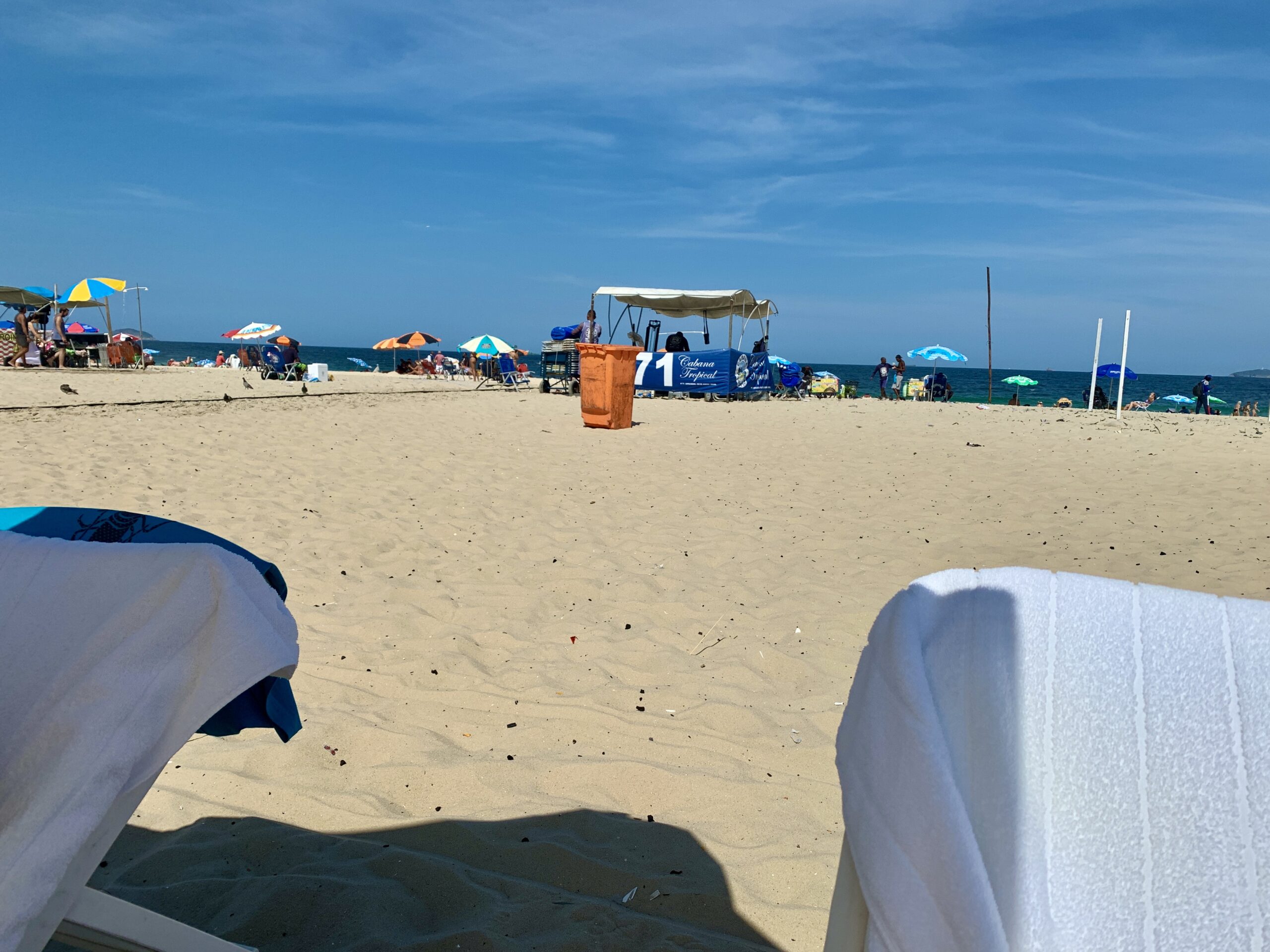
Our hotel was on Copacabana beach, the largest of Rio’s three main public beaches. Copacabana is a huge bay a few kilometres wide, with a sandy beach about 200m in depth running down to the sea. The sea has some very strong rip tides, so very few people go swimming. A simple paddle in the crashing waves is the best way to cool off, but there are also several places to shower on the beach too. These are normally next to some of the 100+ ‘vending areas’ where companies or individuals set up licensed bars and food outlets. There are also multiple restaurants on the edge of the sand, on the pavement which hugs the bay. From the pavement and almost to the water, this entirely man made beach is flat and has football pitches and volleyball courts laid out, and with exercise equipment along the promenade too, this is where Cariocas (the locals) come to get fit and practice their sporting skills. But unfortunately this most famous of beaches is rather grubby and strewn with litter, including broken glass. Homeless men scavenge for recyclable litter, feral pigeons peck for titbits and vultures circle overhead looking for left-over food. The beach is also plagued with persistent hawkers selling everything you never wanted.
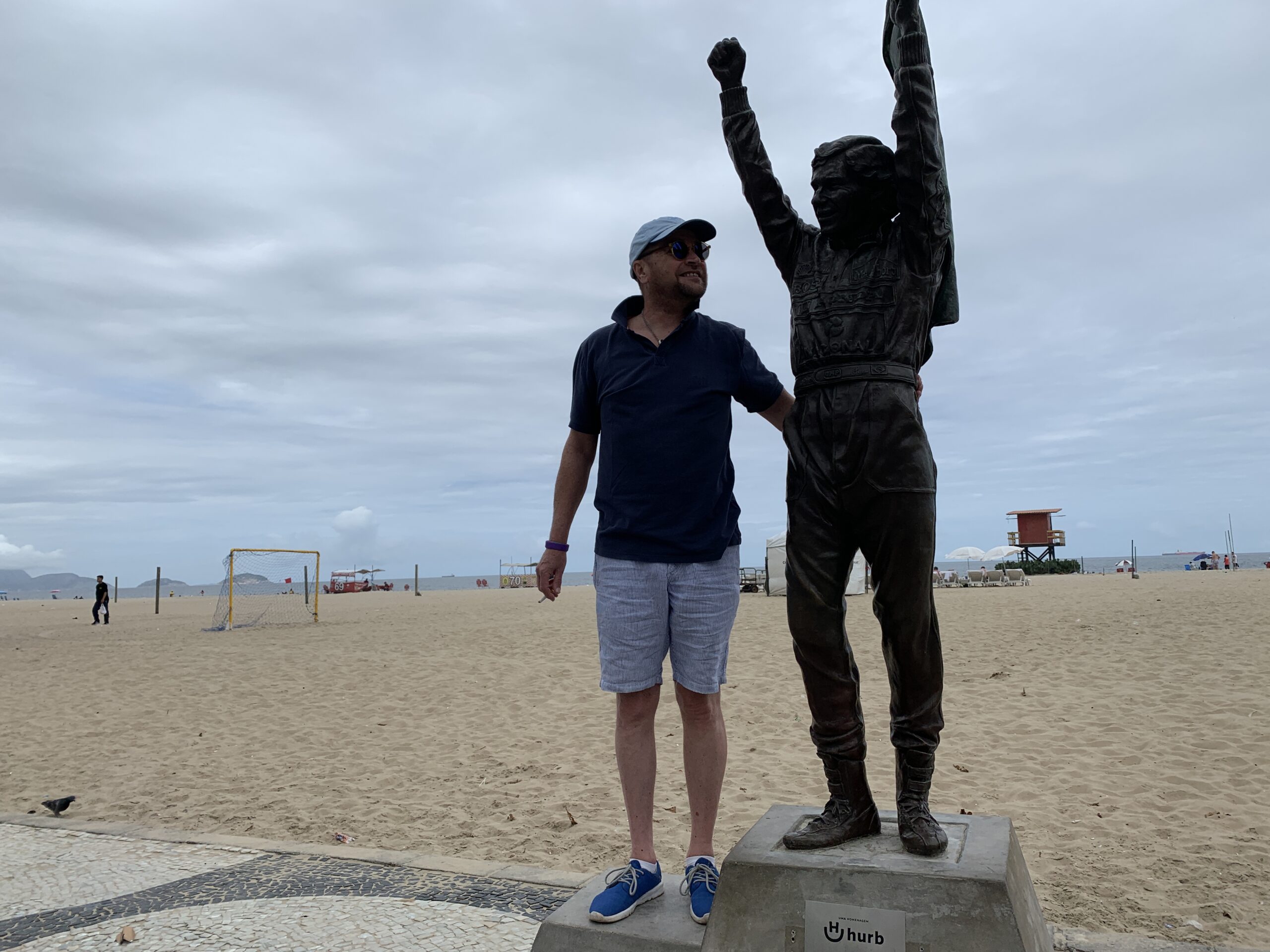
For me, the best bit about Copacabana beach was a bronze statue of Brazil’s late formula 1 hero, Ayrton Senna. Moving along the coast is Ipanema beach, which looks much the same, but is supposed to have a more upmarket clientele, and then comes Leblon beach which is meant to be even more posh. All of the beaches are brightly flood-lit all night long, which struck me as a terrible waste of energy. Rio and its beaches have a terrible reputation for mugging, but luckily we didn’t encounter that problem, so we didn’t feel paranoid when walking around. But if you go, don’t wear jewellery or expensive watches and always keep your eyes on your belongings!
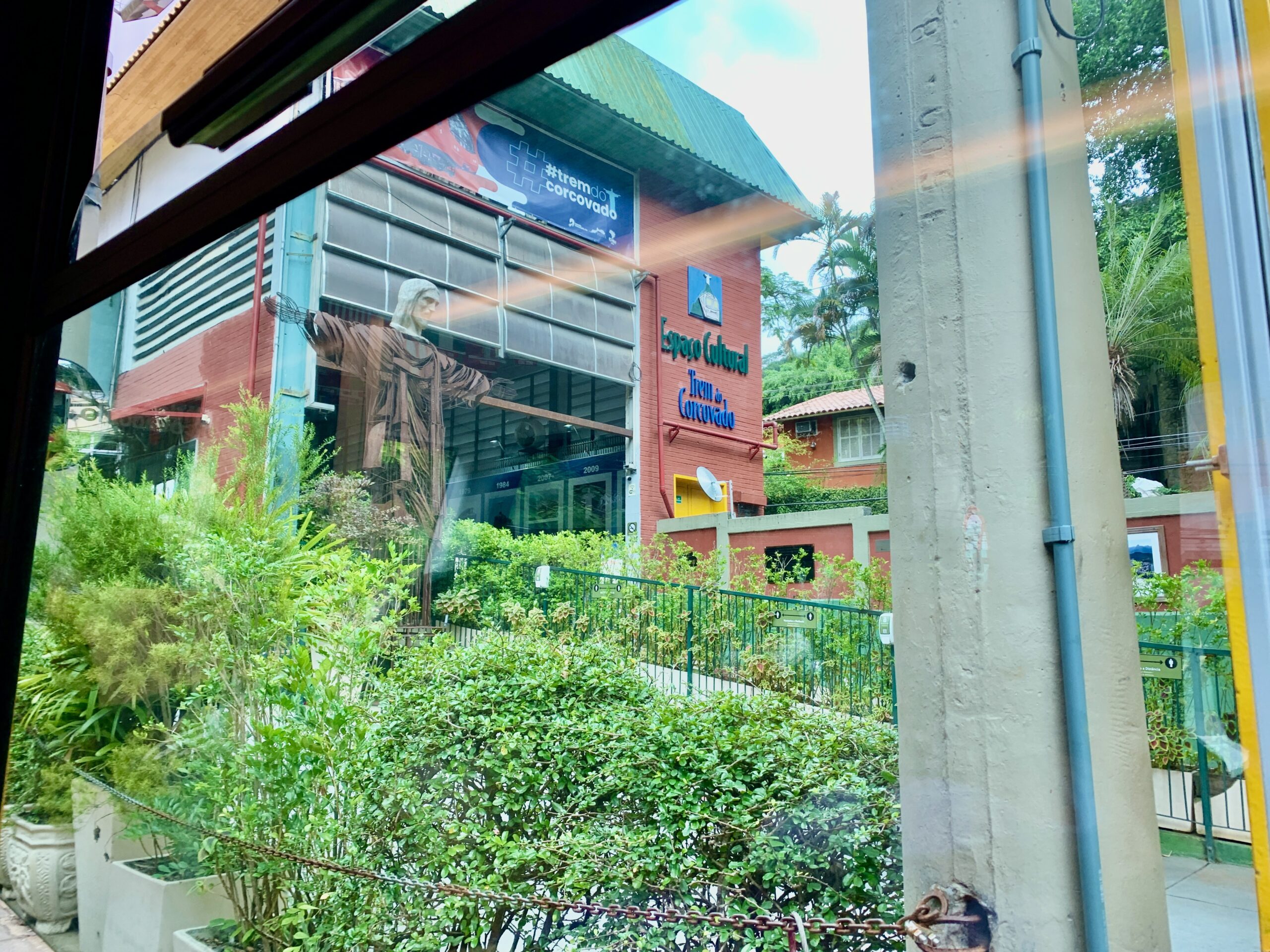
Back to our city tour, which began by taking the funicular railway up Corcovado, a large granite rock surrounded by a National Park. Corcovado means ‘hunchback’ in Portuguese, and on its peak stands a modern day wonder of the world, an iconic symbol of Brazil and one of the world’s best known sculptures: Cristo Redentor (Christ the Redeemer).
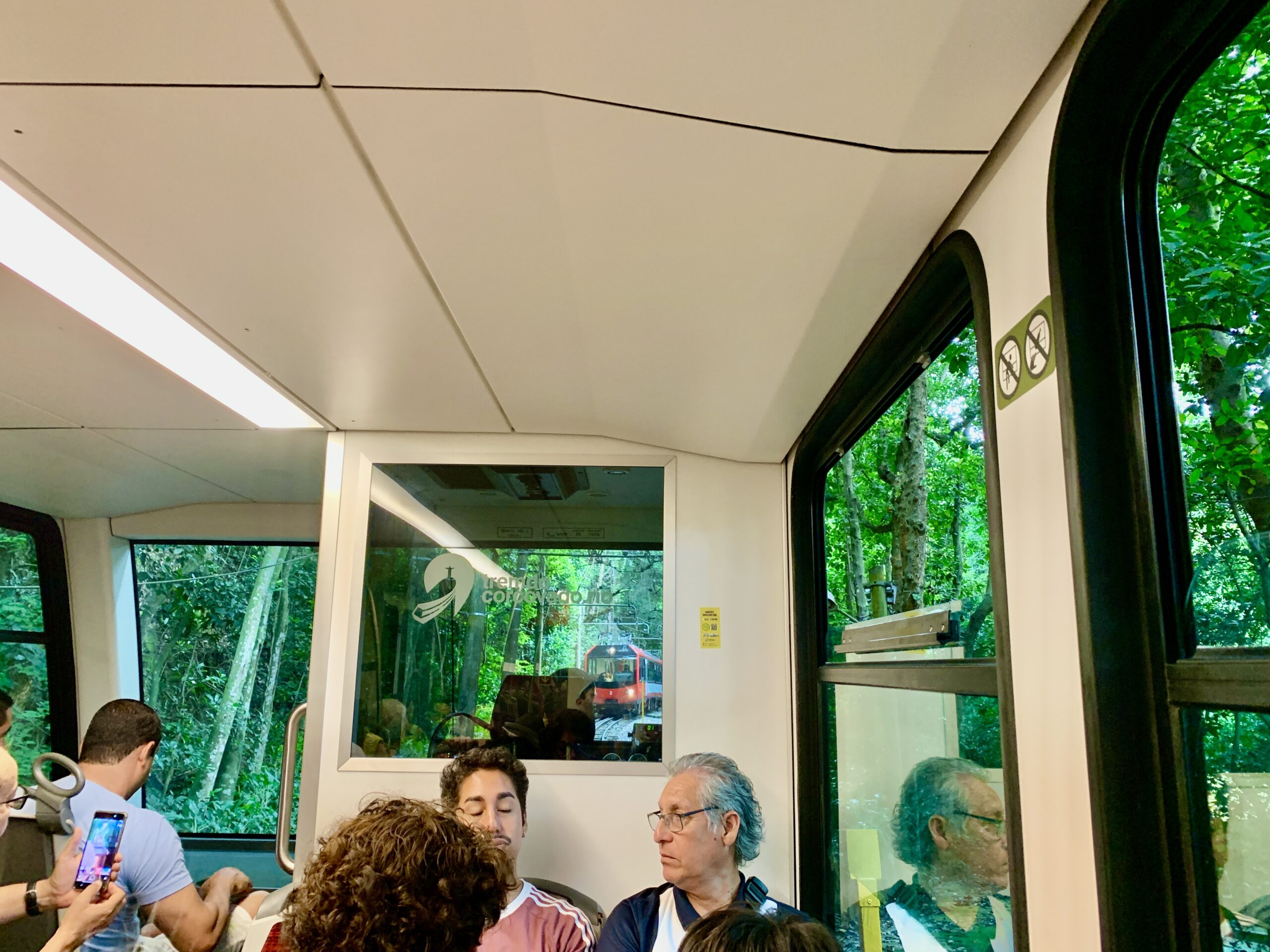
The train is clean and comfortable and it took us to the top of Corcovado, followed by either a lift or short flight of stairs to take us right below the huge statue. Unfortunately for us it was a cloudy morning in Rio, and Christ was in the clouds. On its own this looked atmospheric, spooky, even romantic, but the fact is that I came here to show Mr A the sensational views of Rio from this elevated vantage point, which really wowed me 30 years ago.
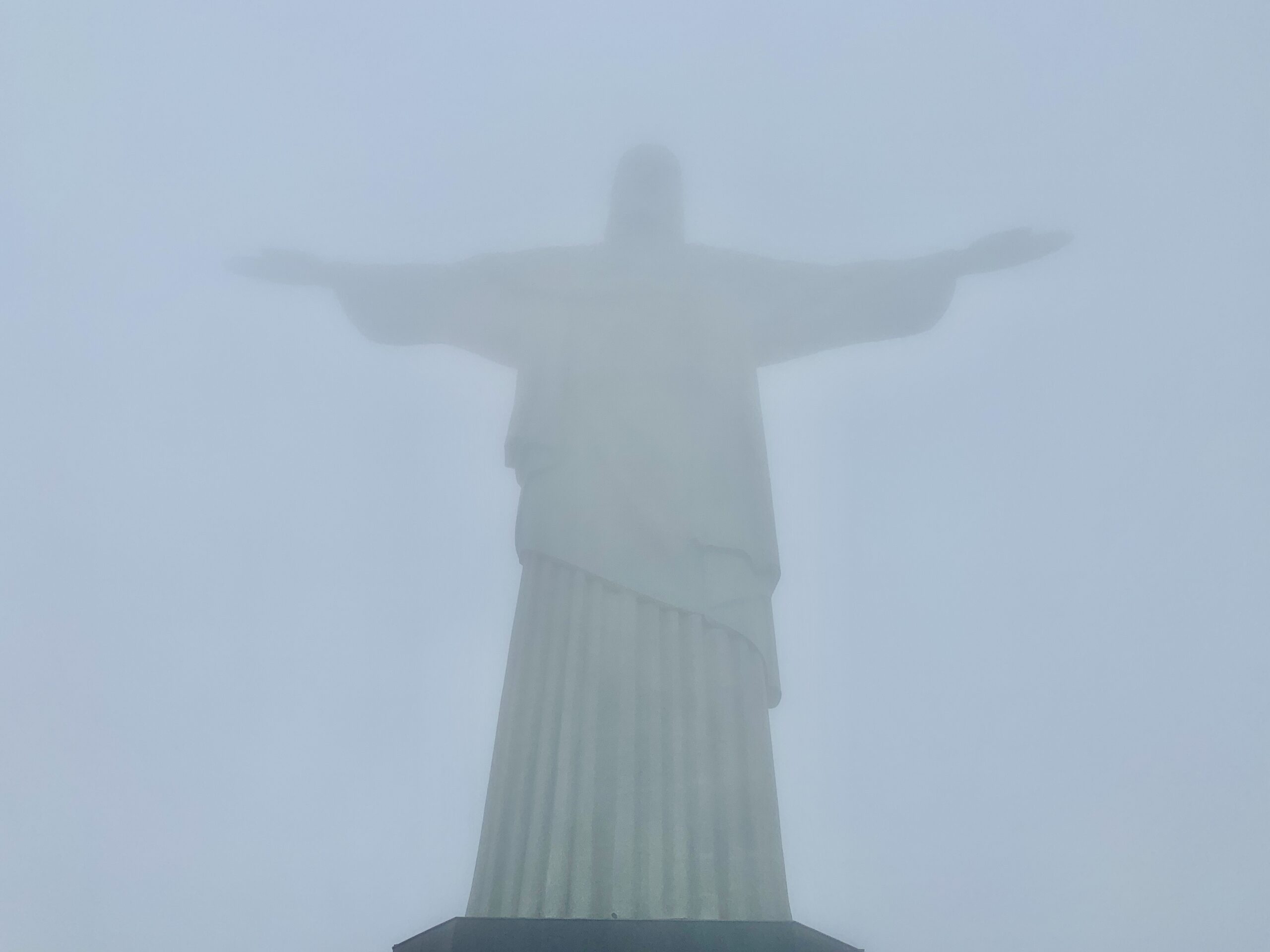
Immediately below the statue is a small chapel, but photography, rightly, isn’t permitted. With no view to admire, several people crowded round some capuchin monkeys who were climbing on the floodlights which illuminate the statue at night.
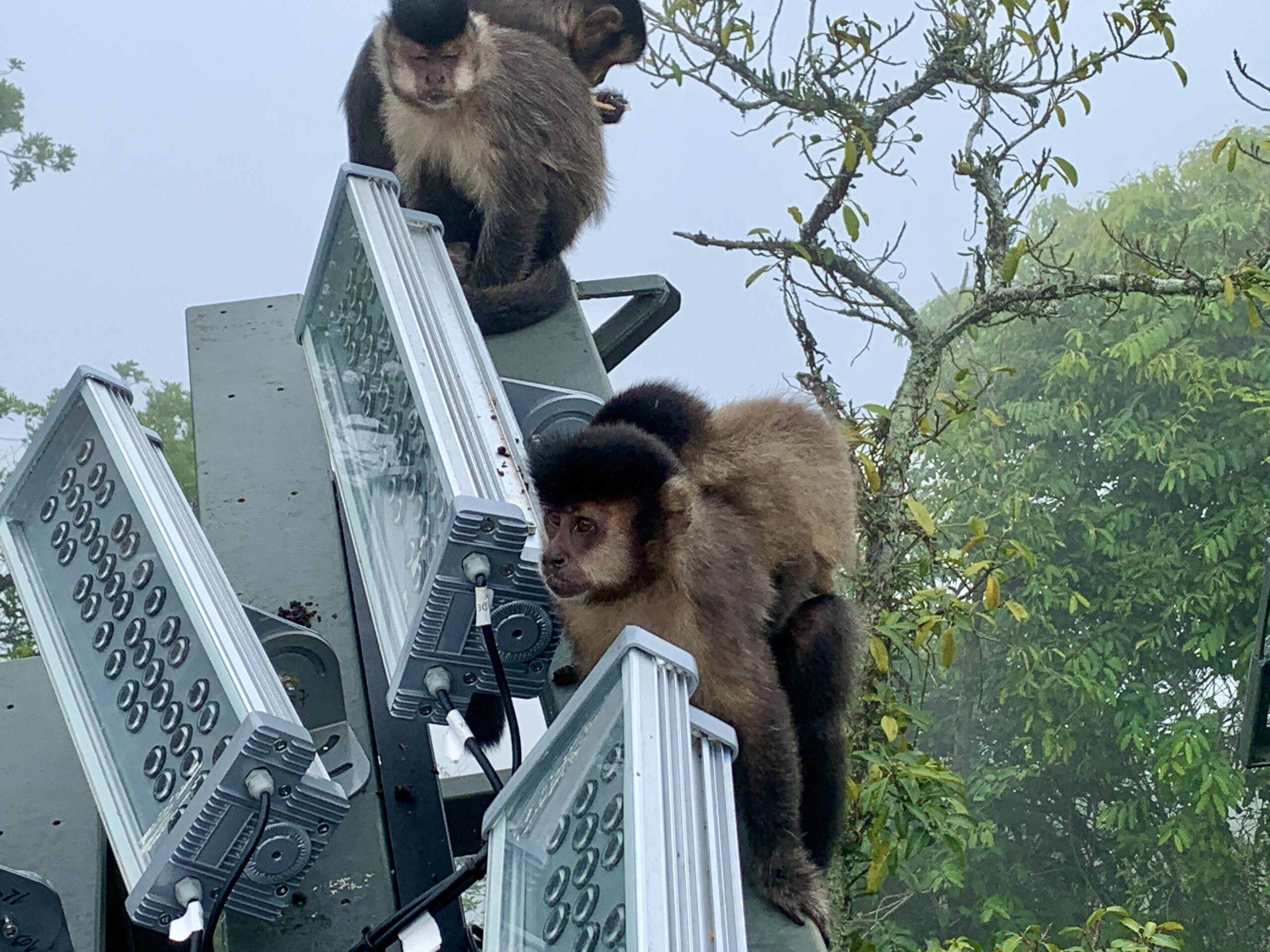
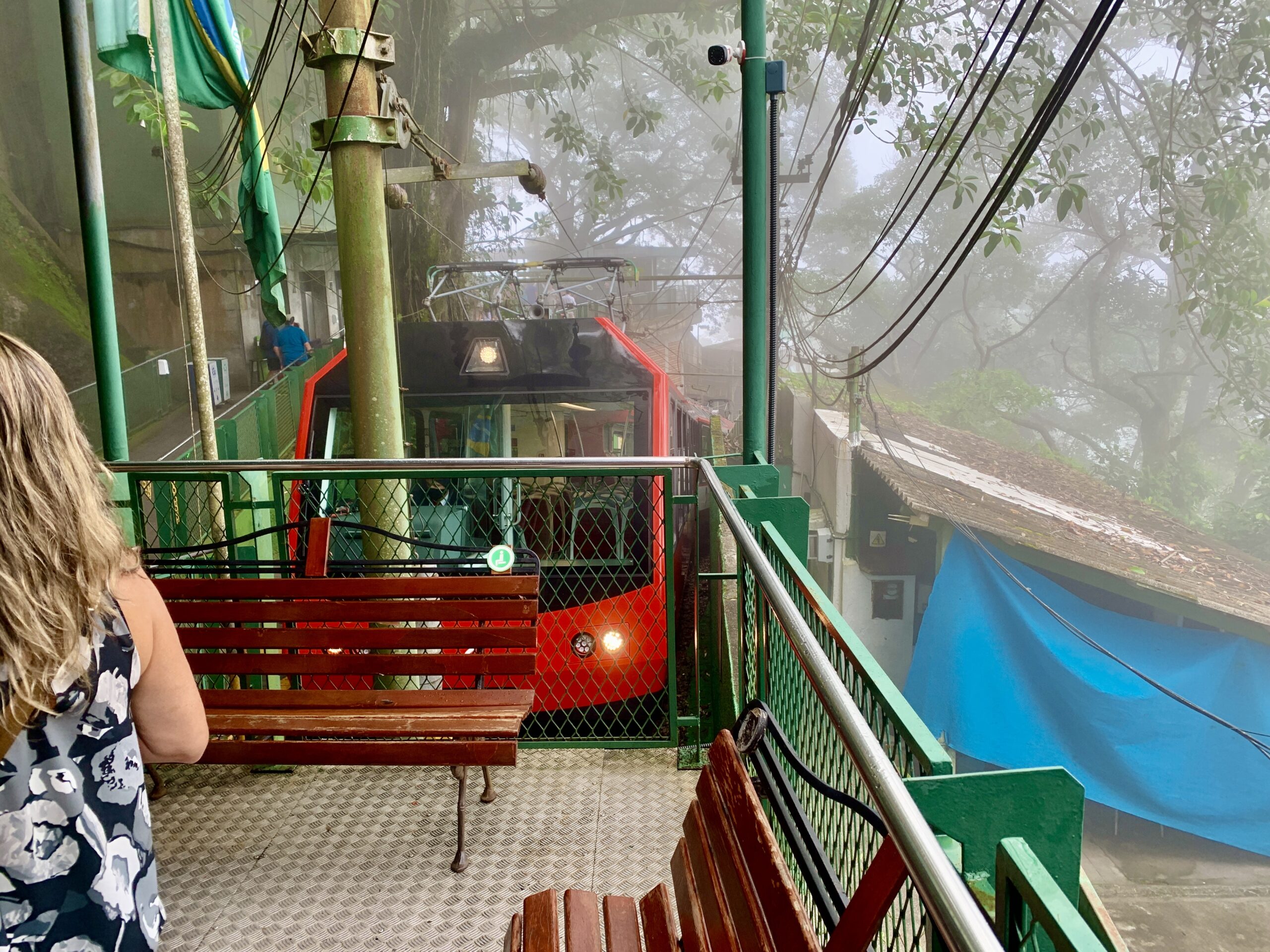
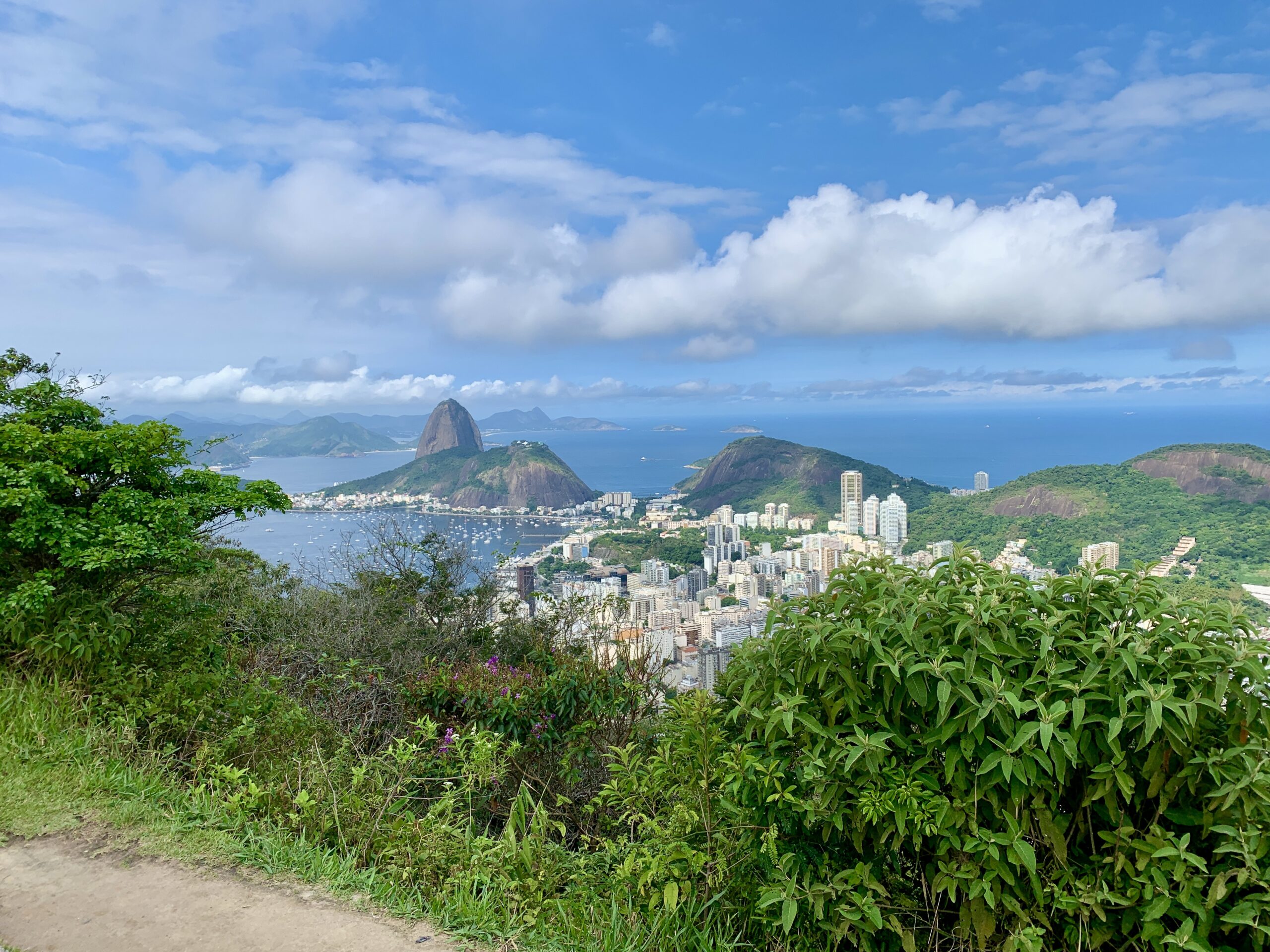
We boarded the train for our descent just as some people said the cloud was lifting, but we weren’t allowed re-entry, so we continued down to sea level. But our guide/driver said he could take us to a spot on Corcovado which was below the clouds and which could still give great views of Rio.
After Corcovado we drove to the Jardim Botanica (botanical gardens). This might seem an odd choice for a tourist, but I went there on a whim with friends 30 years ago and felt like returning “for old times sake”. And I’m glad I did. It’s a lovely spot to spend some time, surrounded by nature just moments from the city centre. We saw many more capuchin monkeys, my first ever sighting of marmosets, and some hummingbirds.
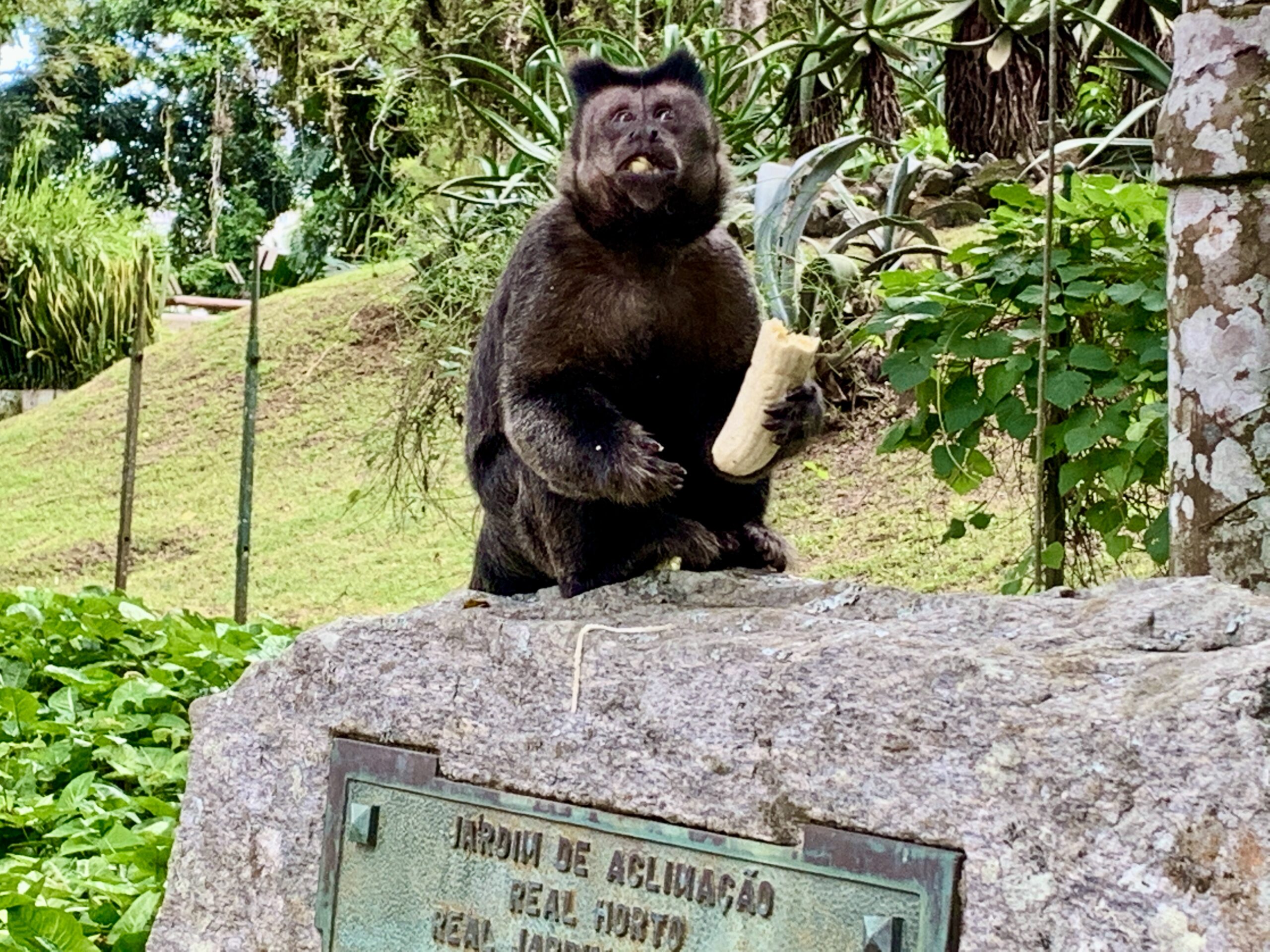
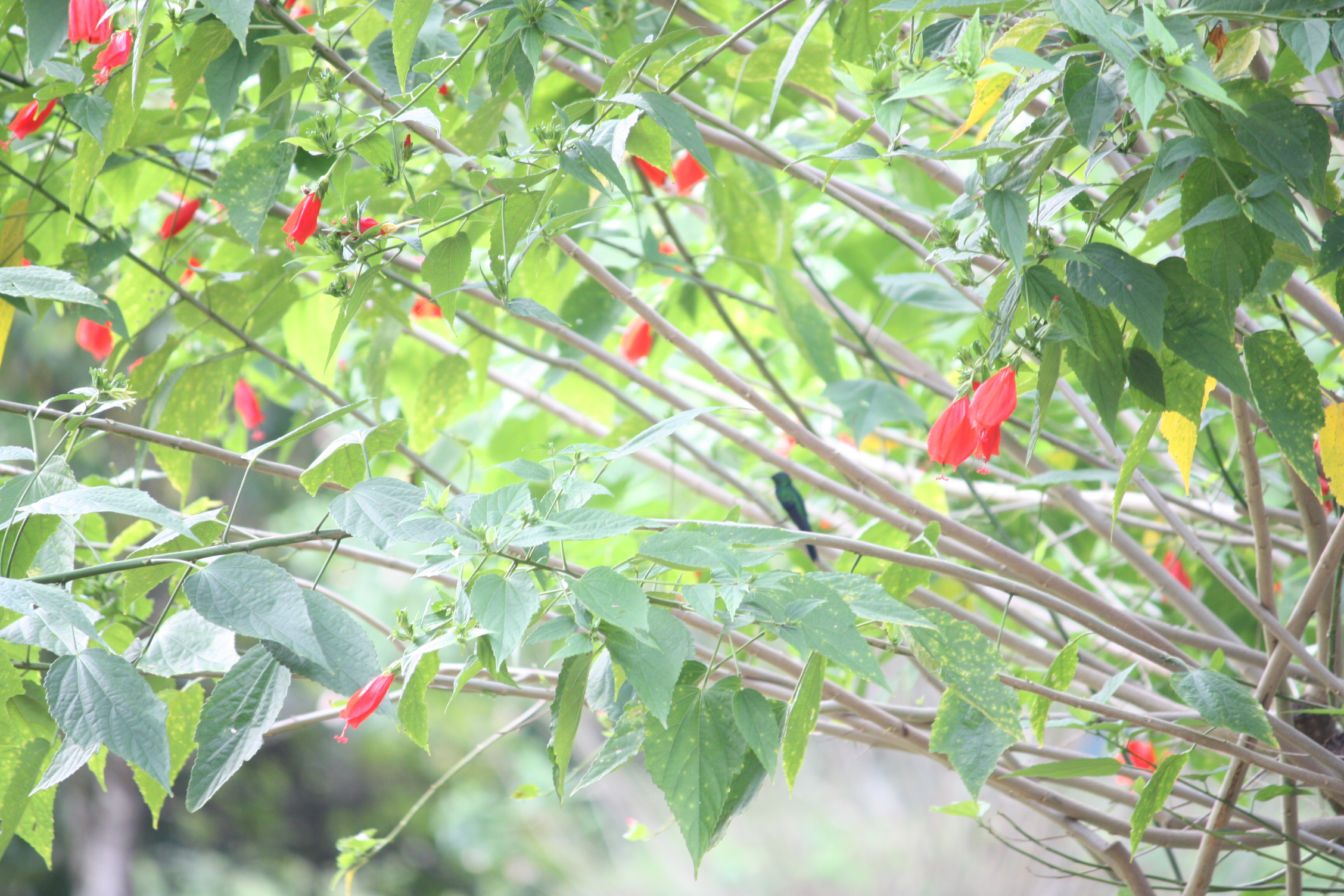
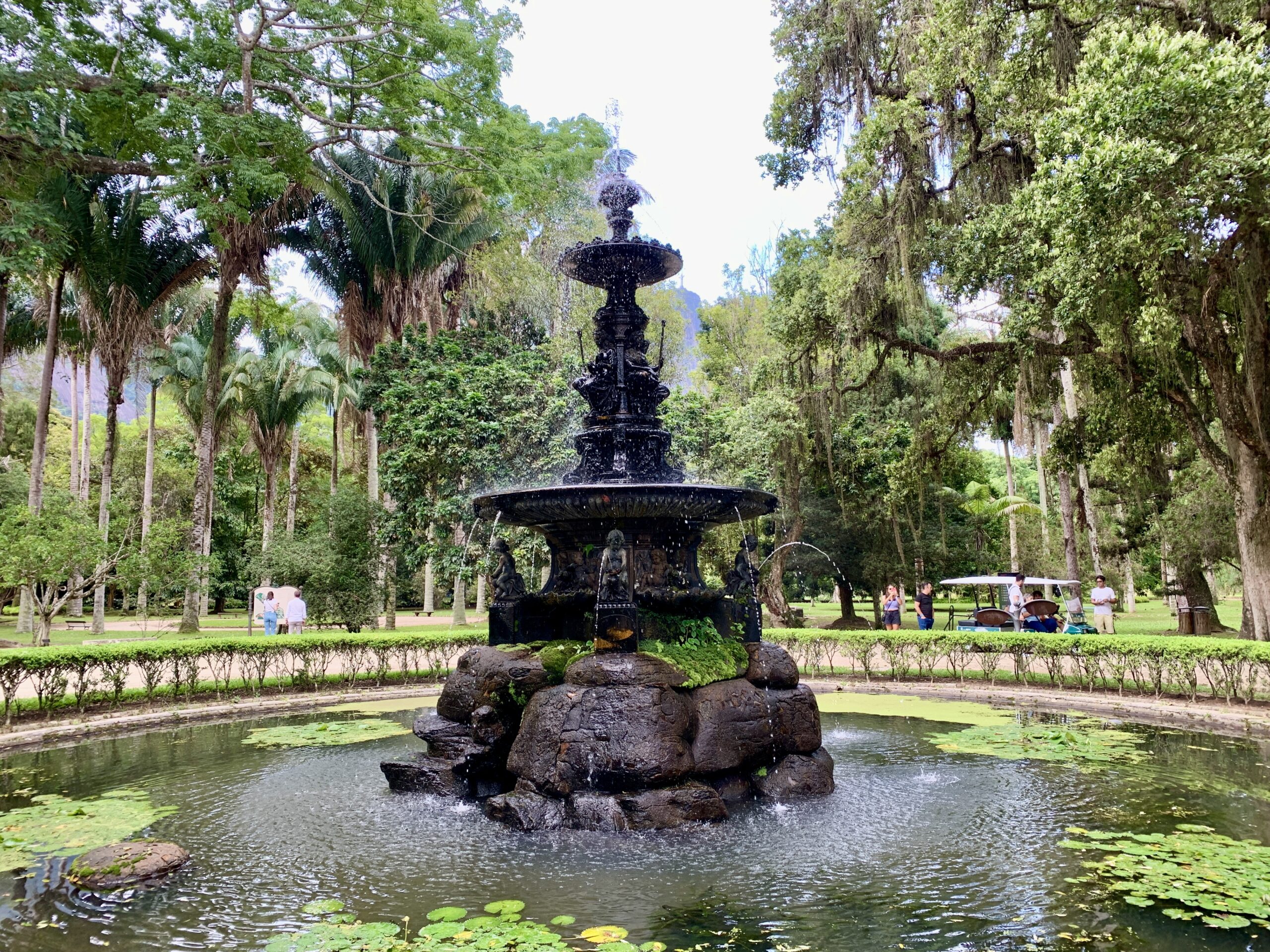
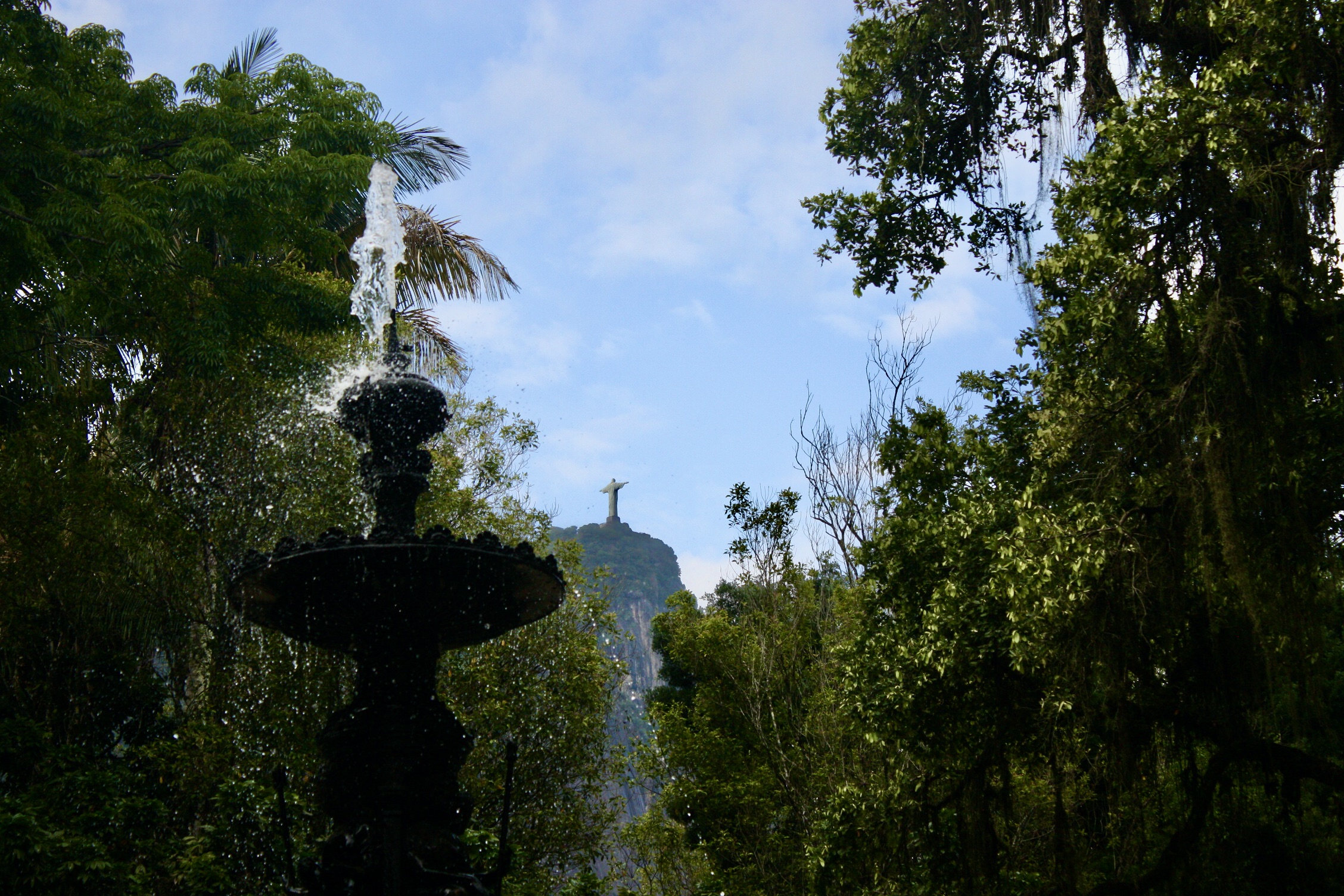
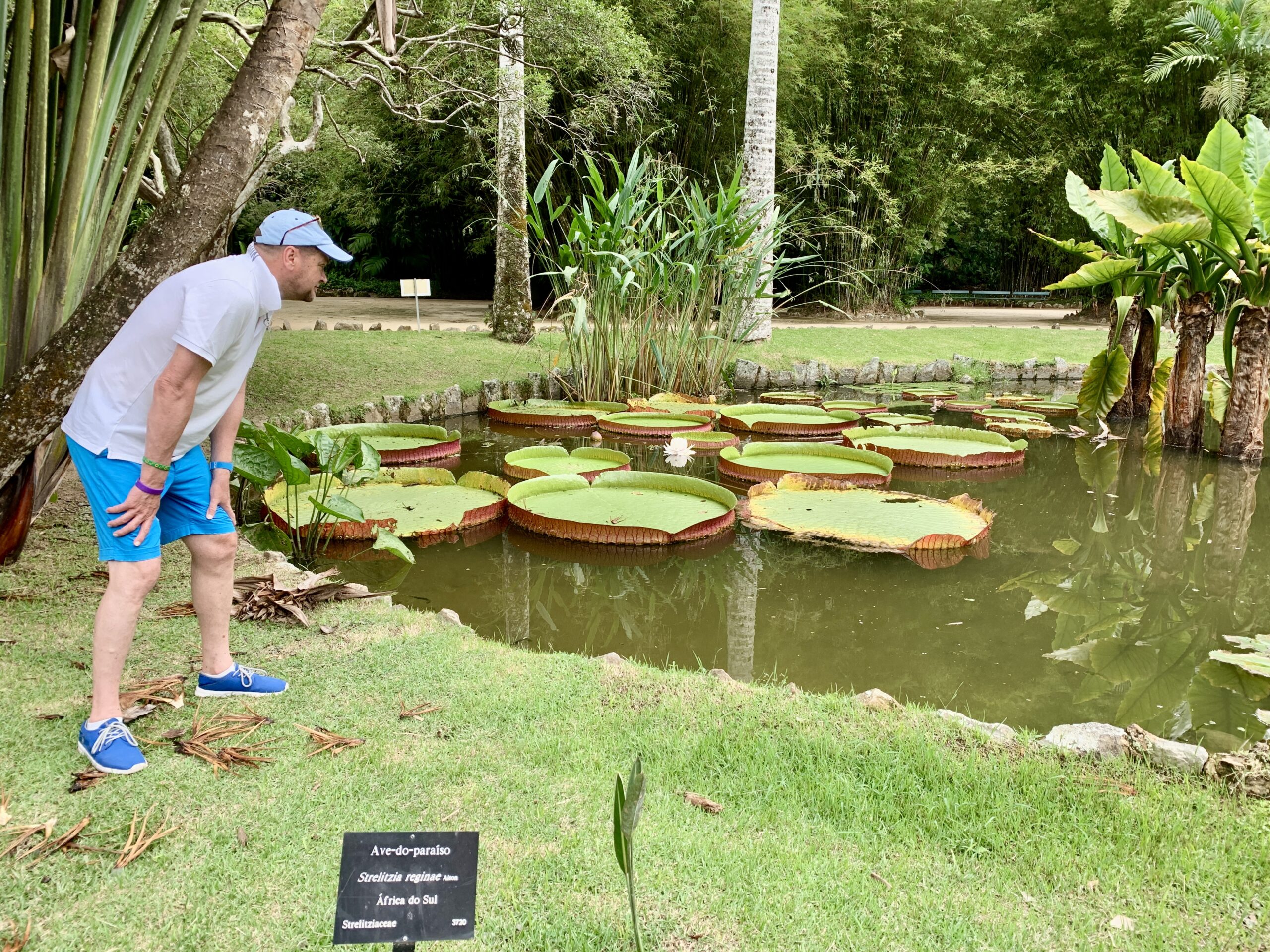
Just next to the gardens’ ticket kiosk is a pond with some turtles, and about 200m further on is a decent cafe selling drinks and food. The gardens are laid out into different sections, some with ‘artistic installations’.

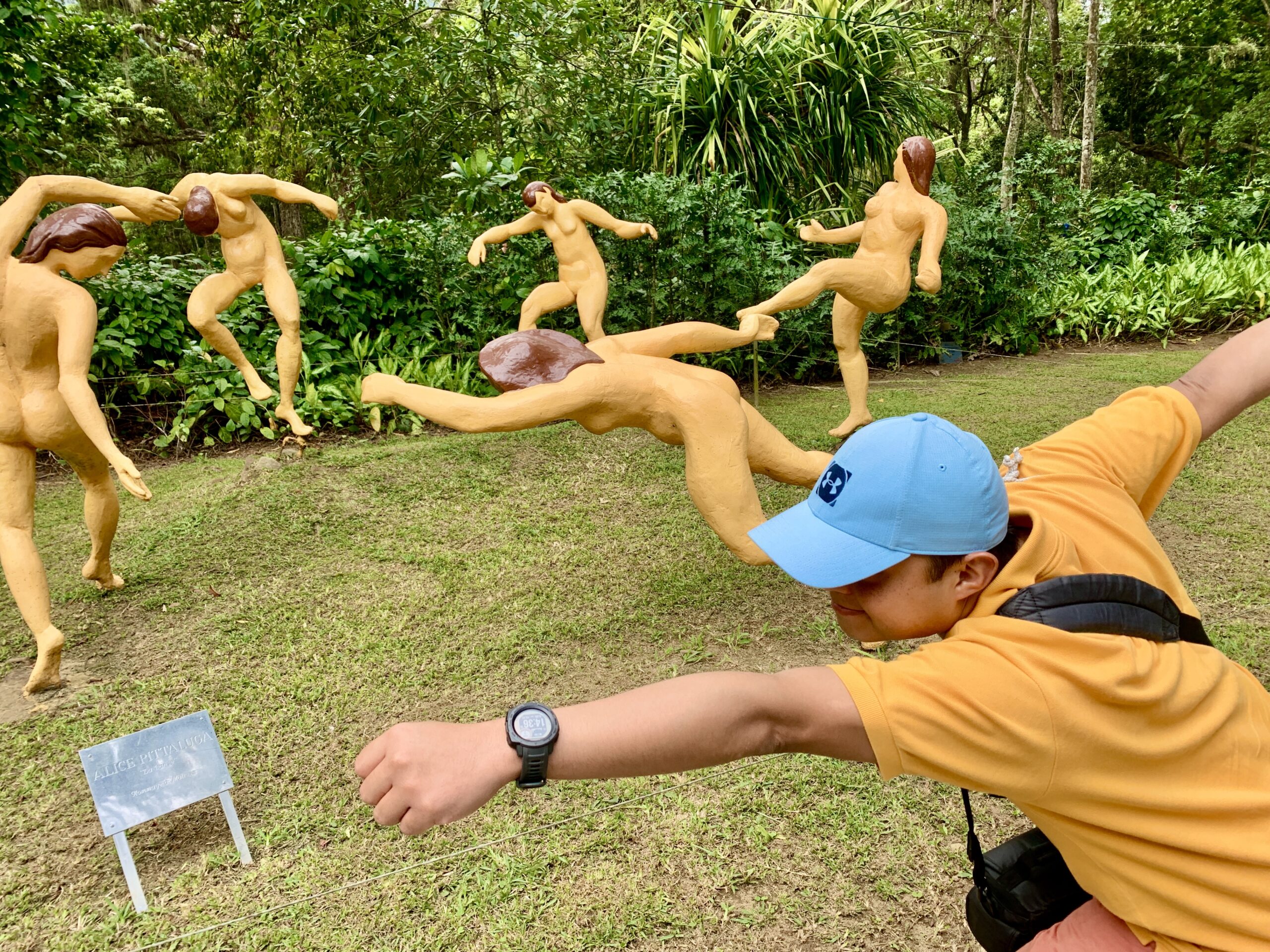
If I’d had stronger legs I could have stayed in the gardens for hours, but soon we were off to our final destination: Pao Azucar; Sugarloaf Mountain in English. A cable car runs up to a ‘halfway’ point on one of the granite hills, from where the views are still very good, but then we took the second cable car to the top of Sugarloaf. There are all sorts of food, drinks, and snacks outlets up there, and even a tattoo parlour! Brazilians are the most tattooed peoples I have encountered. Even in our hotel and in fine dining restaurants, very respectable men and women had full arm tattoos. One can also take a helicopter flight around the city, but on this occasion I declined the opportunity.
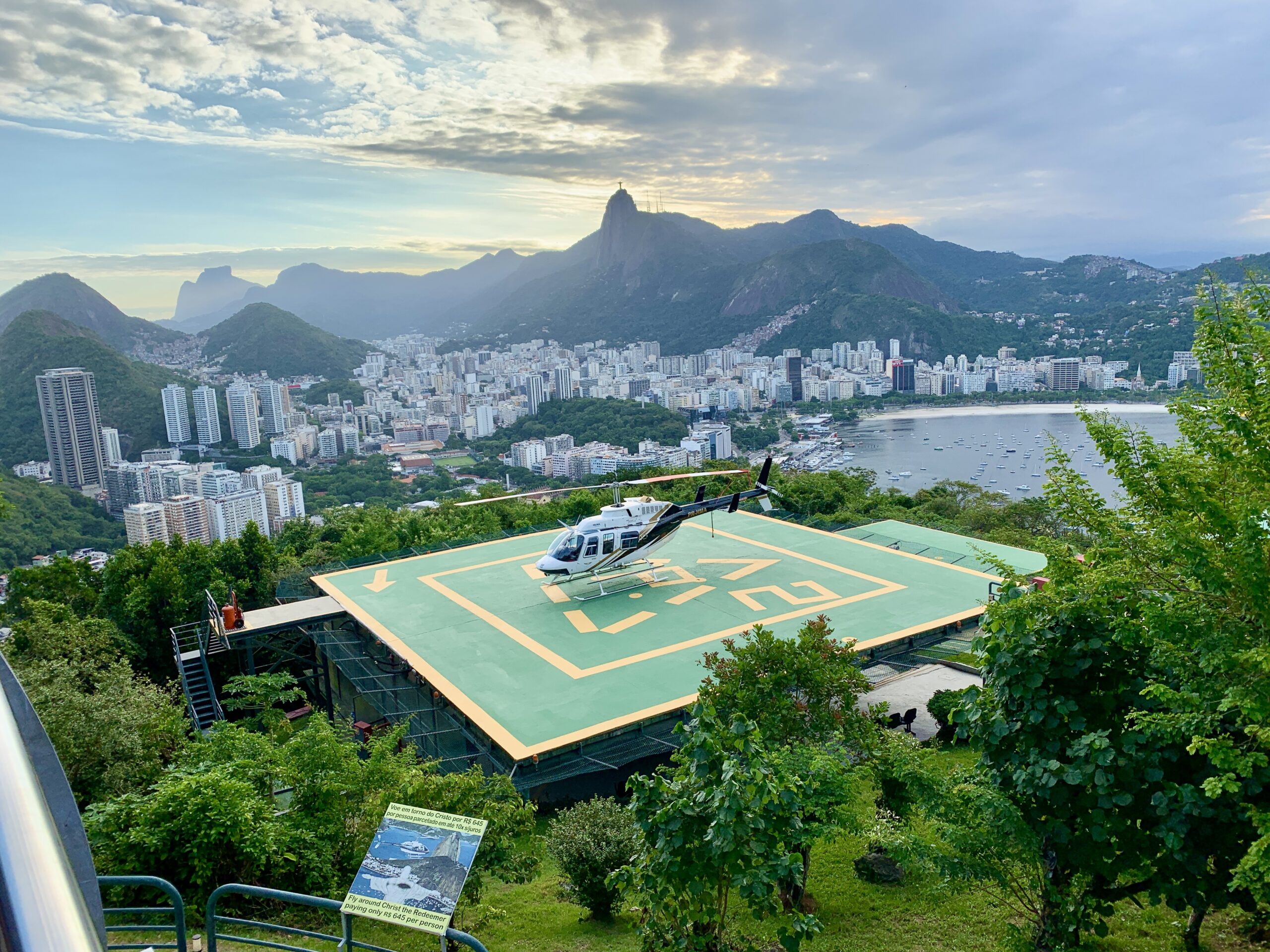
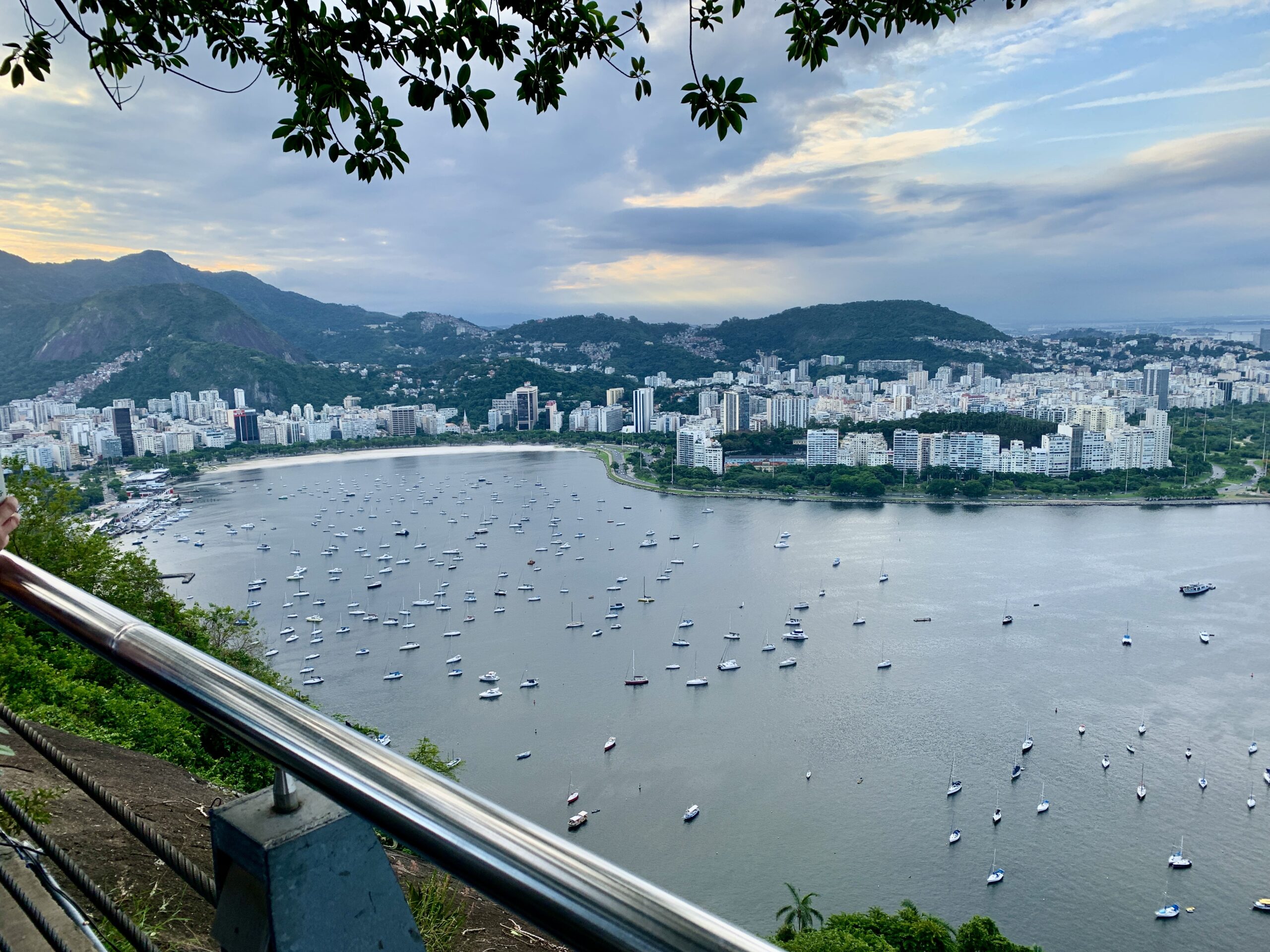
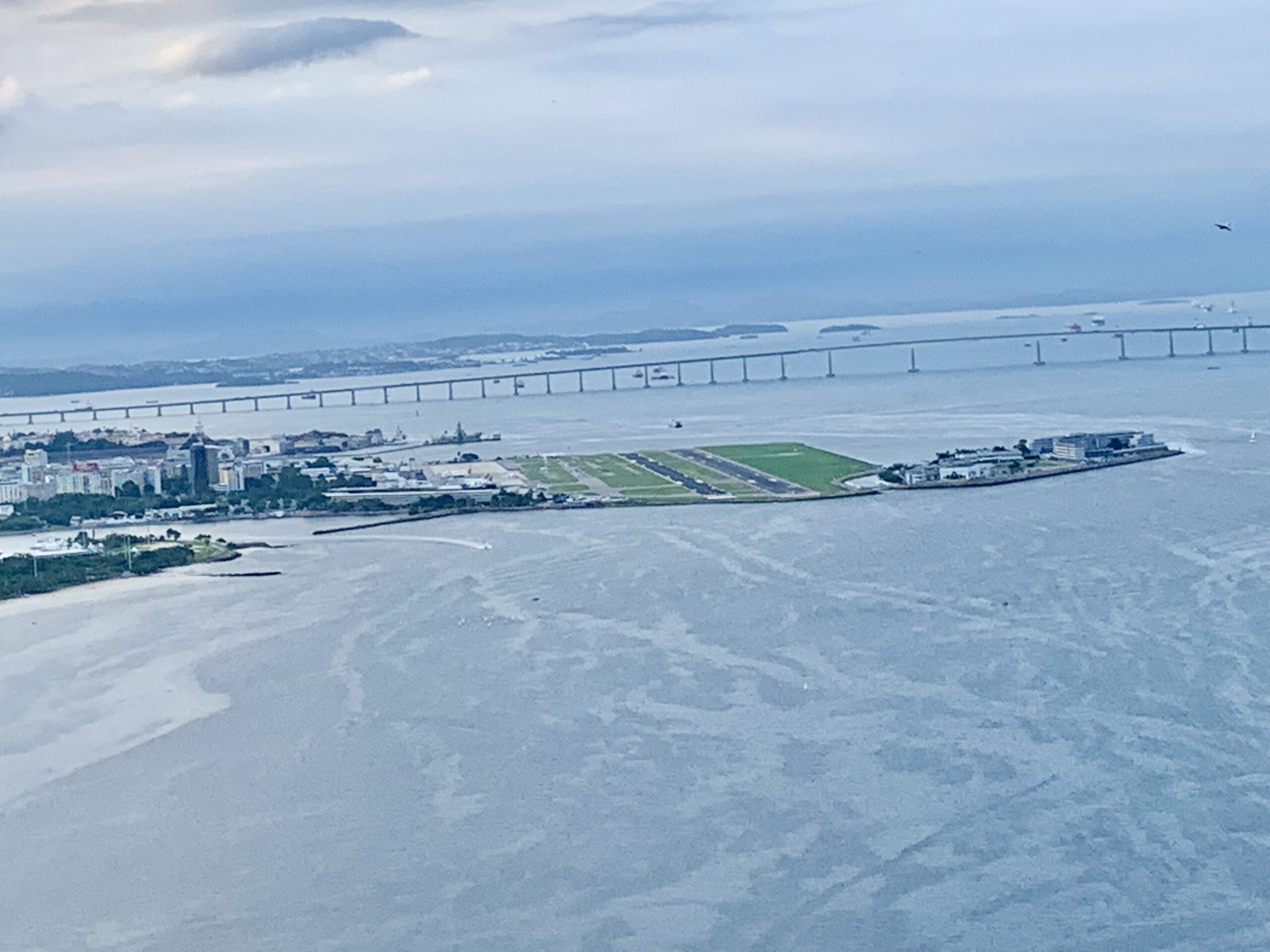
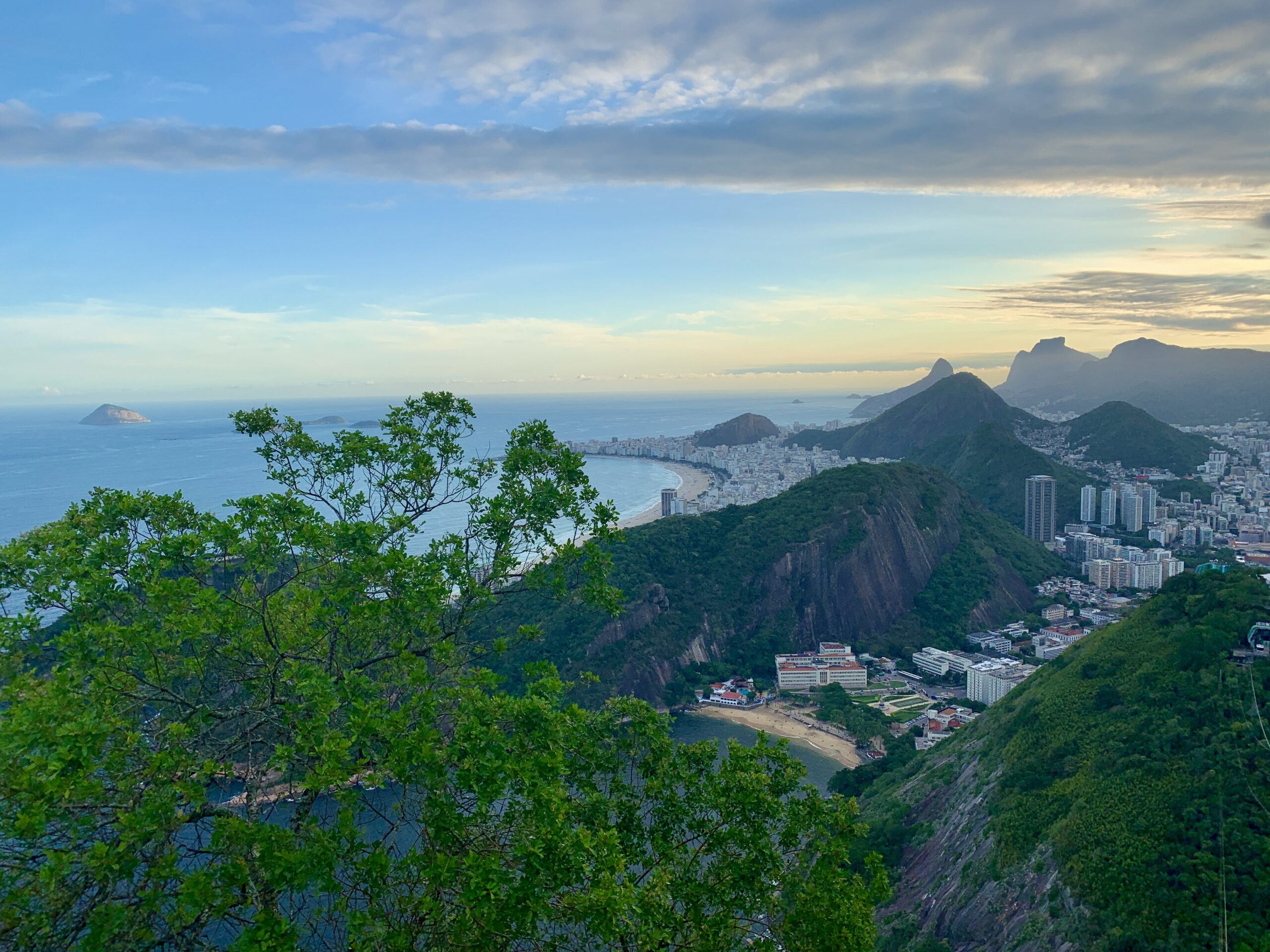
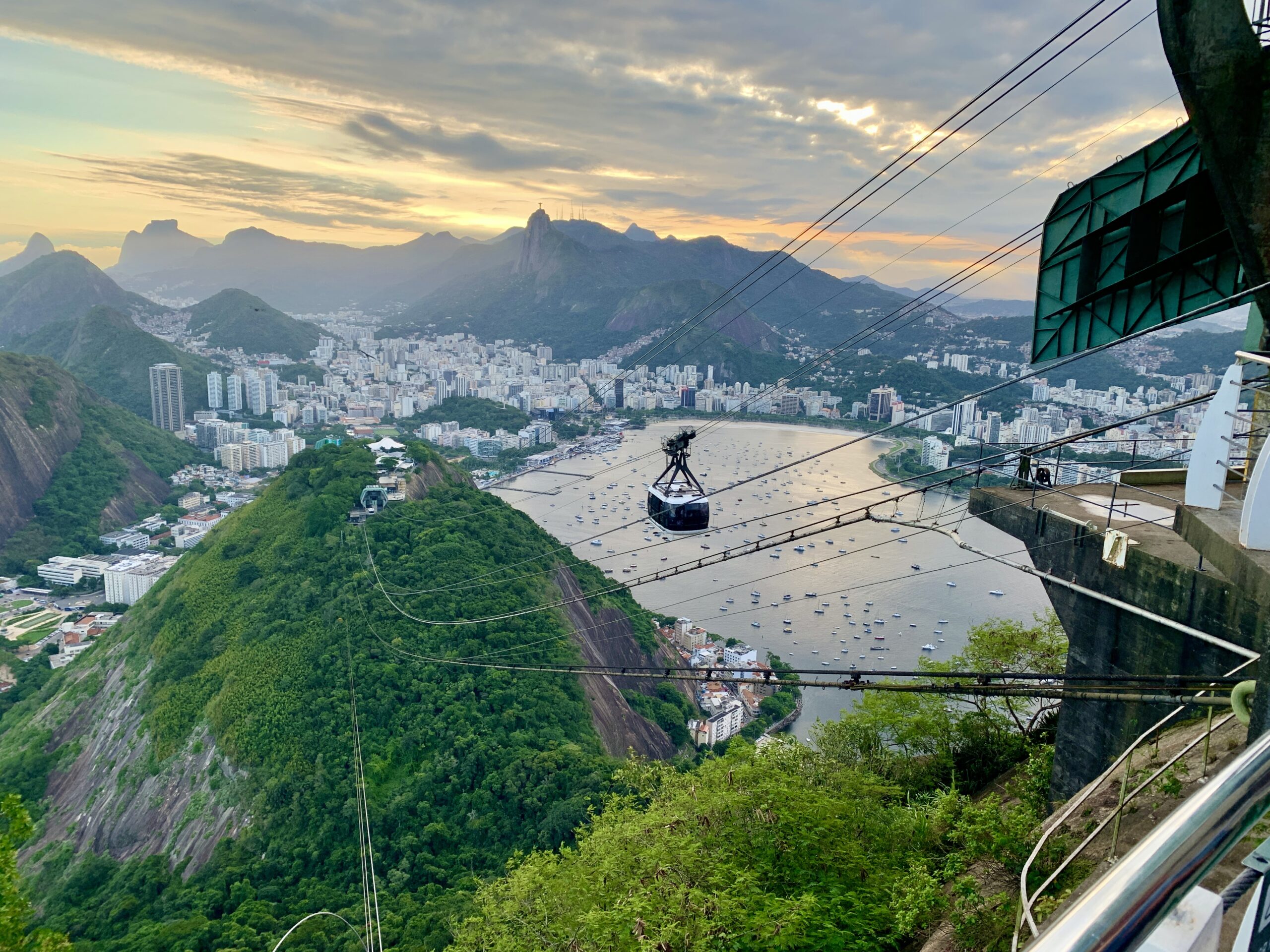
We were lucky the weather brightened up after the cloudy morning, so that we could take in the magnificent views from Sugarloaf. Rio’s geography is beautiful to behold on a sunny day.
This Post Has 0 Comments