
In April 2022 Mr A and I visited Brazil’s Pantanal to go ‘on safari’. Wildlife enthusiasts might first think of the Amazon basin as the most famous area for wildlife in Brazil, but the fact of the matter is that wildlife is very hard to see in dense jungle. The Pantanal is the best place to see wildlife in Brazil because the landscape is more open and accessible. We stayed at the Caiman Ecological Refuge, about 300km northwest of Campo Grande, in the State of Mato Grosso do Sul. Rates at Caiman include twice daily safaris around their 50,000 hectares. But when I made my reservation they encouraged me to also consider paying extra to go out with some other wildlife protection and conservations NGOs for a closer look at the animals each focusses on. We declined the hyacinth macaw project, but paid USD480 (c£367 at the time) to join Oncafari for a day. The genus name for the jaguar is Panthera Onca, and Brazilians put an accent below the ‘c’ in ‘onca’ and pronounce it as an ‘s’, and by combining that with the Swahili word for a journey, ‘safari’, they came up with their name Oncafari, which sounds like “on safari”. Oncafari specialises in the protection, rehabilitation and rewilding of jaguars and maned wolves and their work in the Pantanal has raised the area’s status in terms of how to successfully reintroduce jaguars, and their work with local communities teaches the value of wildlife tourism. Their work has been covered by a David Attenborough-narrated documentary on the BBC. One key reason for going with Oncafari was to improve our chances of seeing jaguars because they use radio trackers to locate collared jaguars. But in all honesty we didn’t get to see any more animals than our fellow Caiman guests did on their safaris, though we learned a lot more about jaguar conservation.
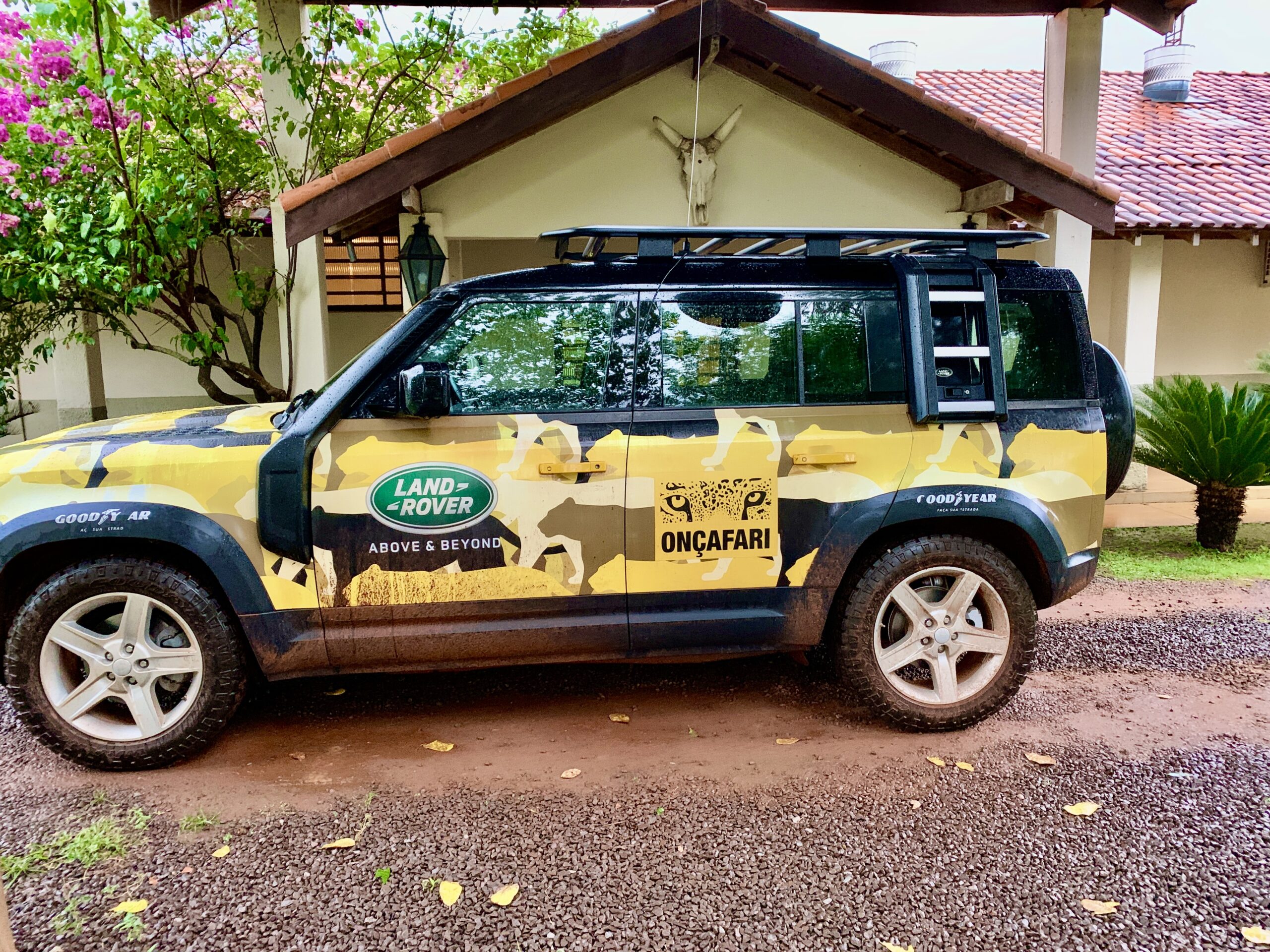
Both Caiman and Oncafari use traditional open safari vehicles for their game drives. But on our afternoon drive with Oncafari it was raining, so they drove us in their brand new Land Rover.
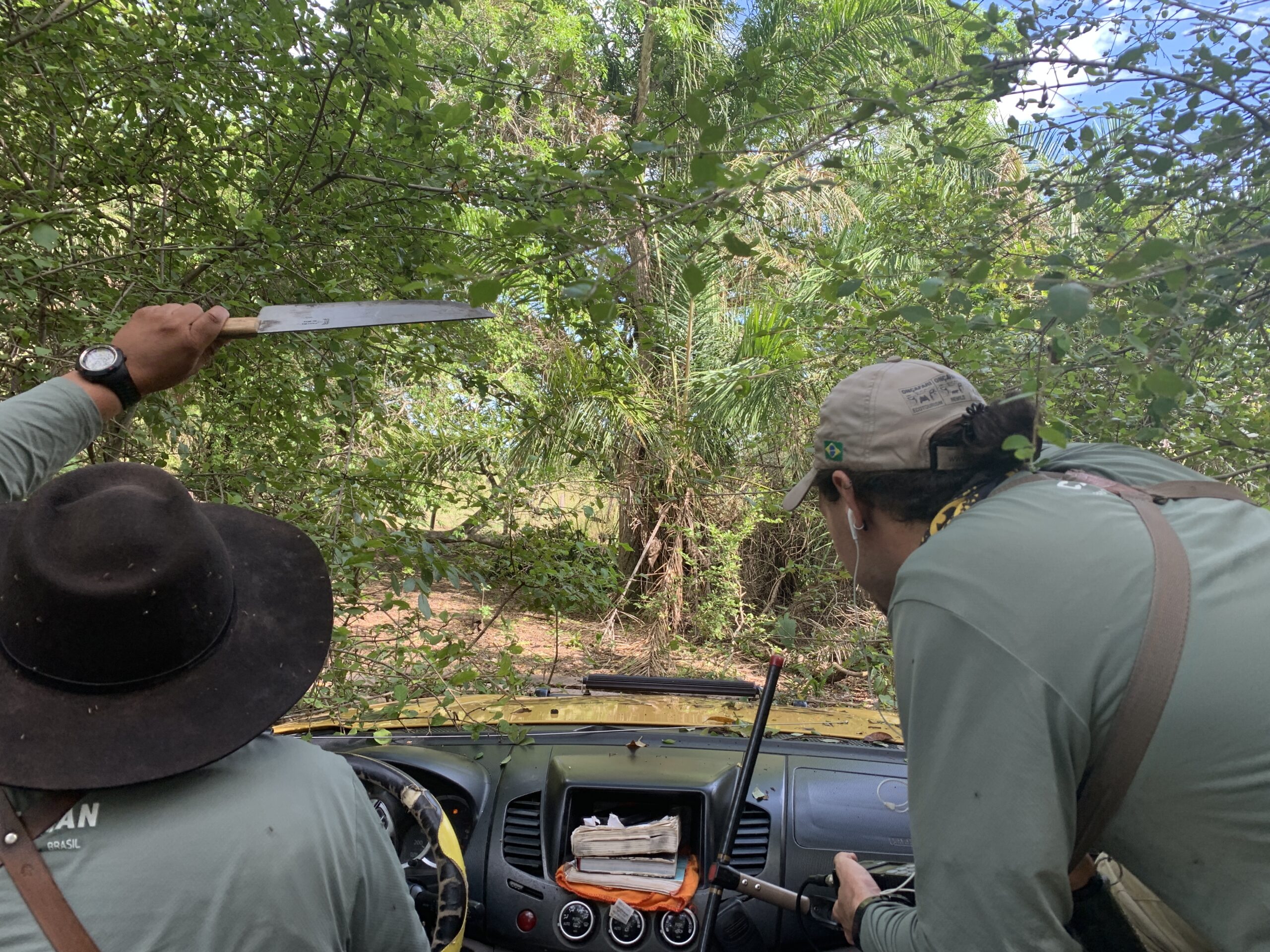
One great difference between our safaris in the Pantanal and ones we’ve had in Africa and Asia, is that Caiman and Oncafari both drove us off road in our search for animals, probably for the majority of our time out, which was pretty exciting. However, I need to report that we had a terrible issue with mosquitos on our drives, and it became worse the deeper we got into the bush. But when driving around normally the breeze kept the mosquitos away; it was only when we stopped that they attacked us. And when we were in the LandRover the mosquitos got into the car with us when we stopped for 45 minutes to see if a jaguar left his hiding place in a patch of long grass. It really was quite uncomfortable; I’ve never come across such viscous mosquitos anywhere! They loved me because I’m on blood-thinning tablets, and they even drank my blood through my safari clothes! But we didn’t get paranoid about catching mosquito-borne diseases such as malaria, zika, dengue, yellow fever because they are human diseases transmitted by mosquitos, and there aren’t enough humans in the Pantanal with those diseases, for the mosquitos to spread. However those diseases are a problem in other parts of Brazil, where there are lots of humans, such as in Sao Paolo.


The Pantanal is a large area of grassland, which becomes a wetland after the rainy season. In April, when we visited, it should have been a widely flooded wetland, but a four year drought, made worse in 2022 by La Niña meant that there were only a few small lakes and water holes around. Anywhere you see water you are guaranteed to see two animals: the caiman, a small crocodilian and the capybara, the world’s largest rodent. We often saw them almost side by side because the caimans generally aren’t big enough to take a capybara.


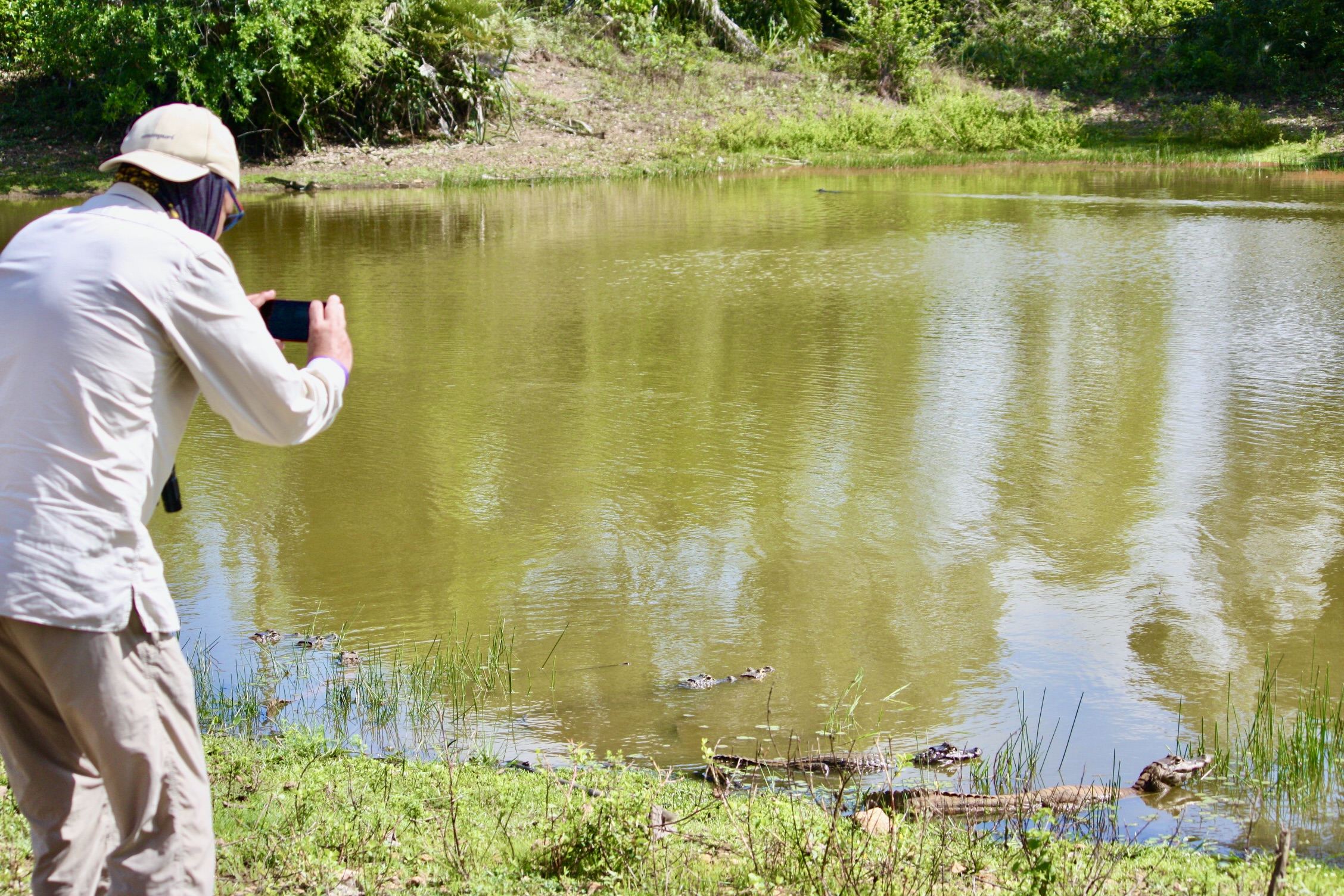
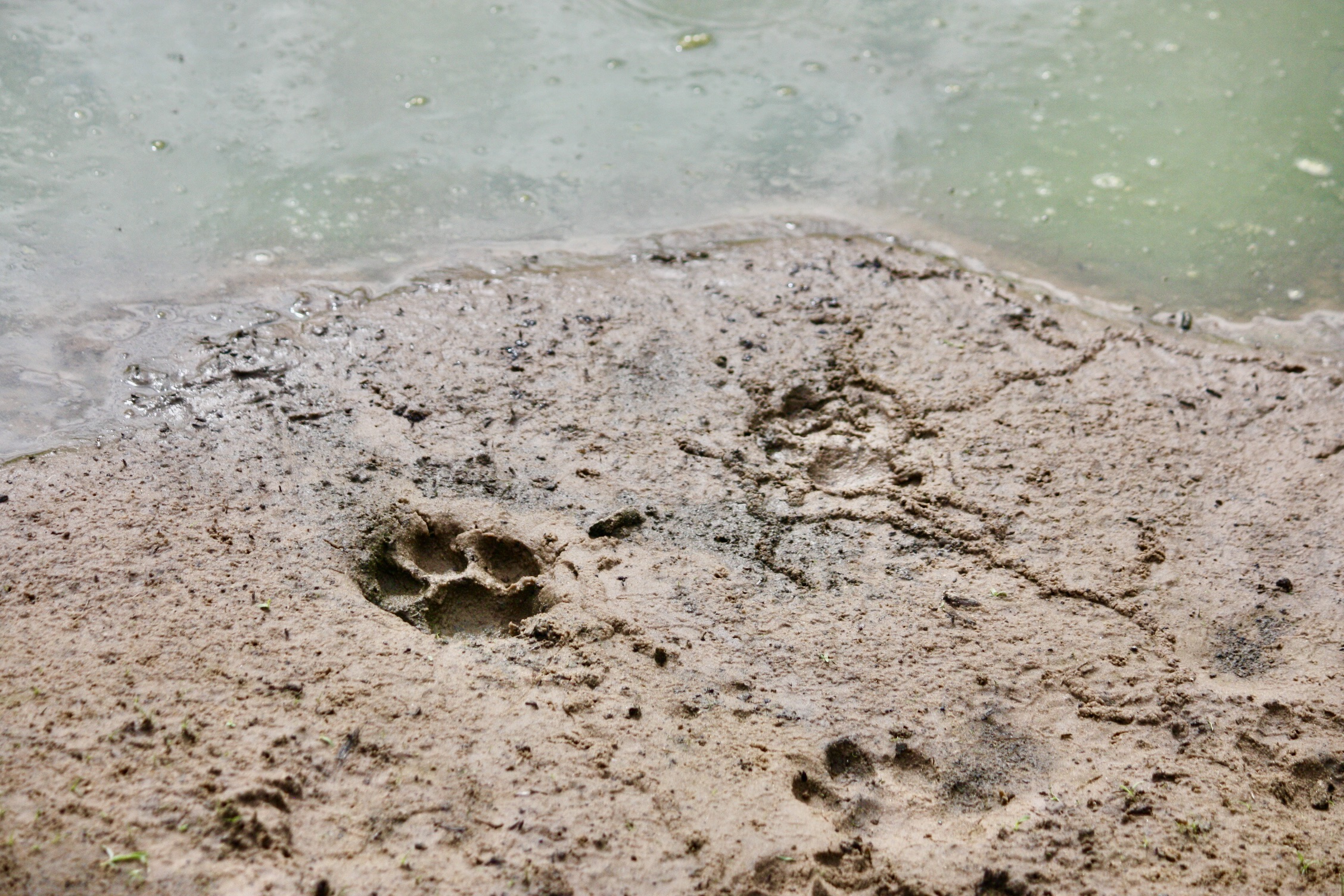
The guides told us the water holes were also a good place to spot jaguars, because they need to drink water and because both the caiman and capybara form a key part of their diet! But as it happened, we didn’t see any jaguars near the waters, just their footprints.
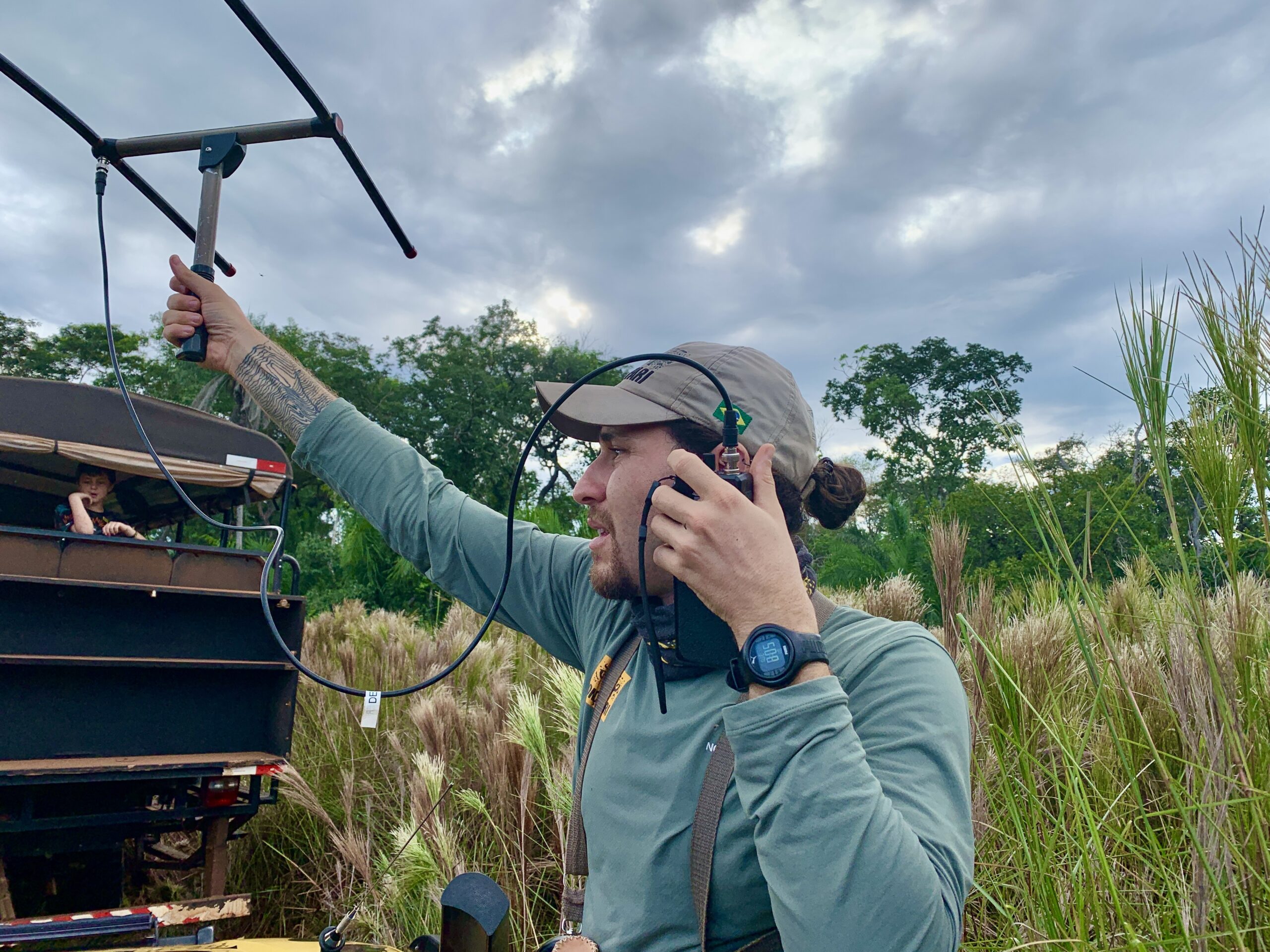

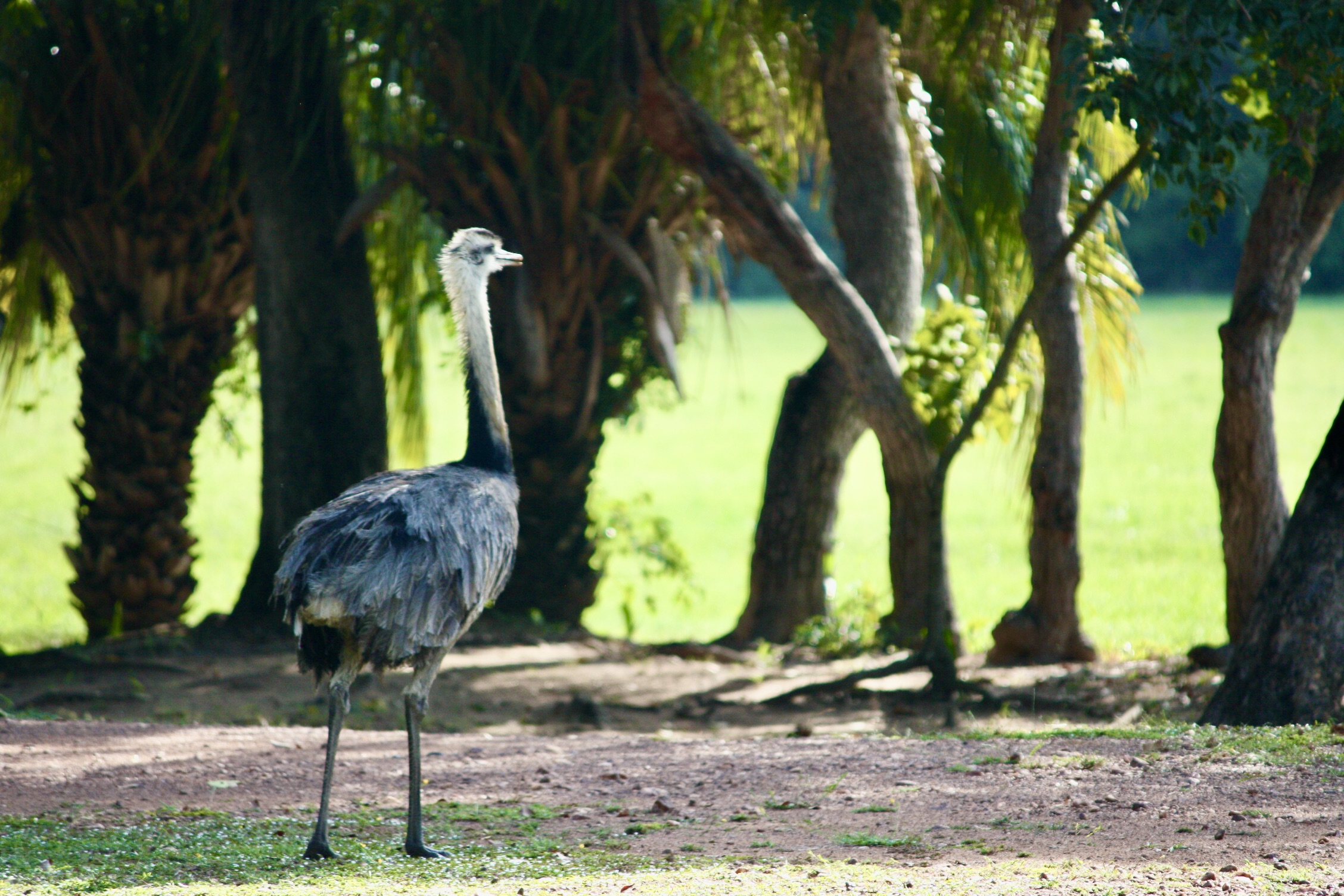
Jaguars are the area’s top predator, and thanks to the work of Oncafari they are what most wildlife enthusiasts come to see. On our first late afternoon safari with Caiman we watched a jaguar stalking prey (a rhea) and even though the rhea ran off when the jaguar attacked, it was a rare and exciting thing to see. When we went out with Oncafari we learned that the cat we’d seen the night before was a female called Fera, the first jaguar Oncafari rewilded, and she was the star of that BBC documentary. Fera now has grandchildren and her successful rewilding has inspired similar initiatives elsewhere in Brazil and across South America.
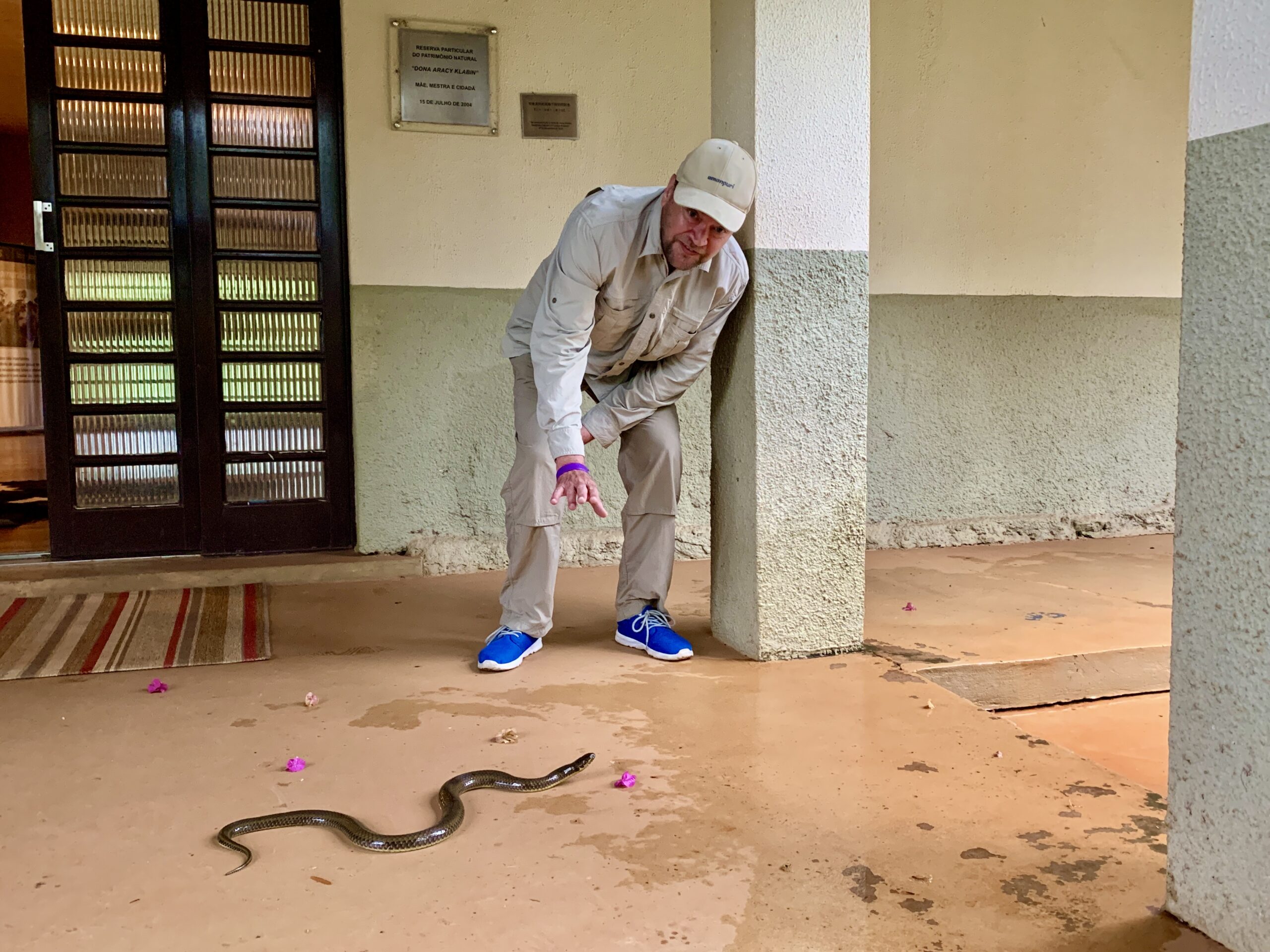
On the day we were with Oncafari they had a water snake outside their offices, which they didn’t shoo away because they knew I love snakes, so they let it hang around until I had a chance to see it.
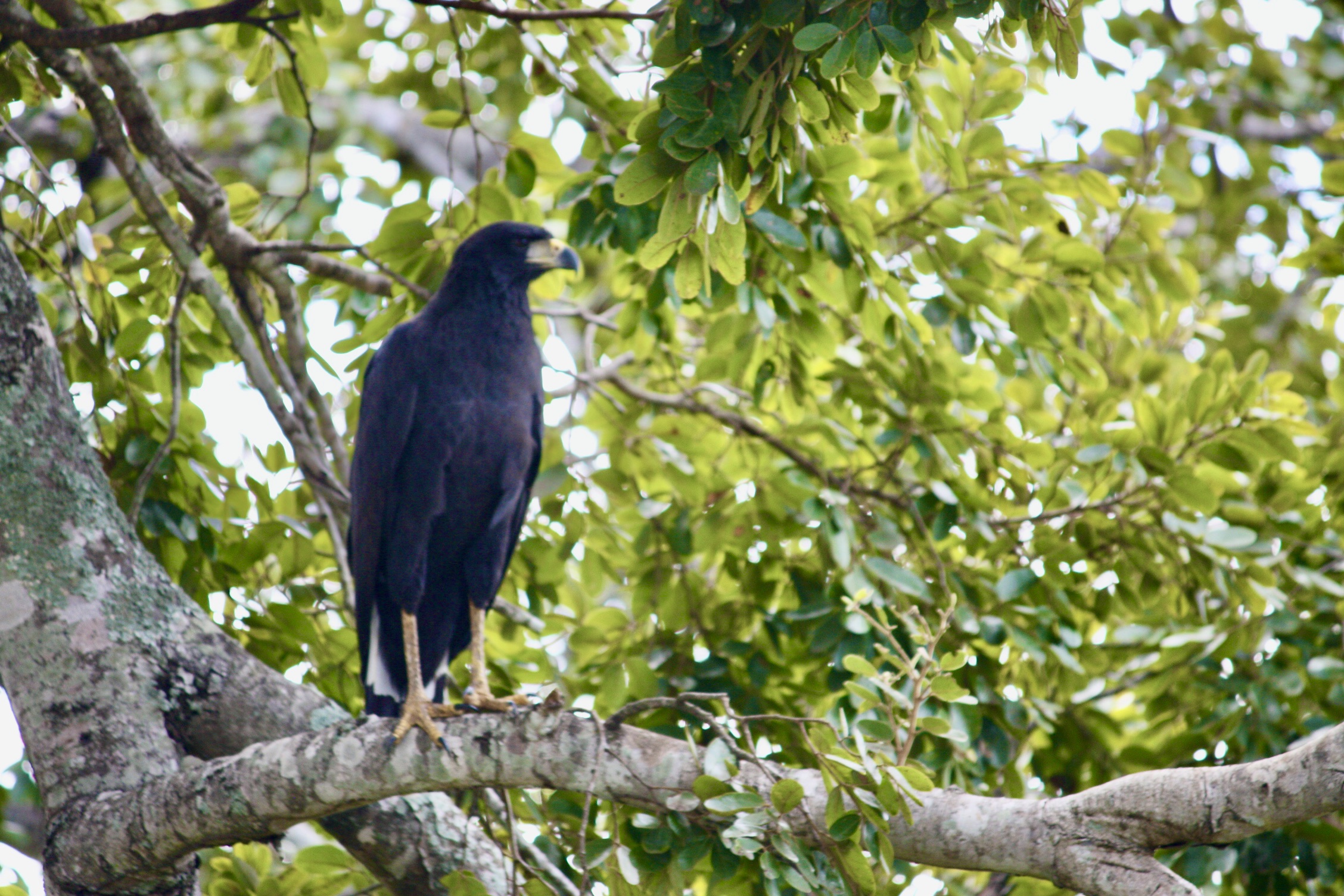
Here are some of the other critters we saw in the Pantanal (I’m not much of a birder, so please excuse some of my descriptions!):

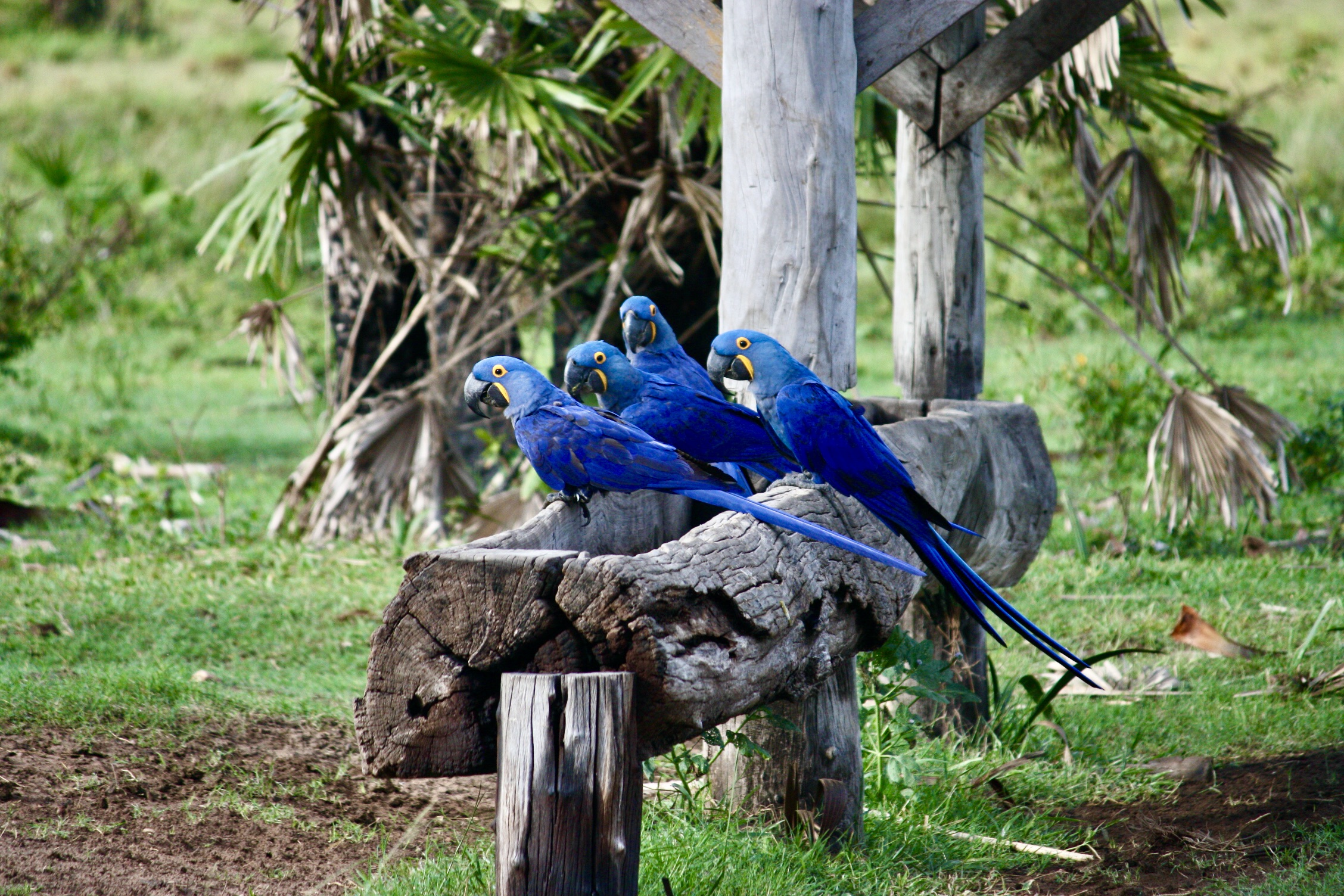
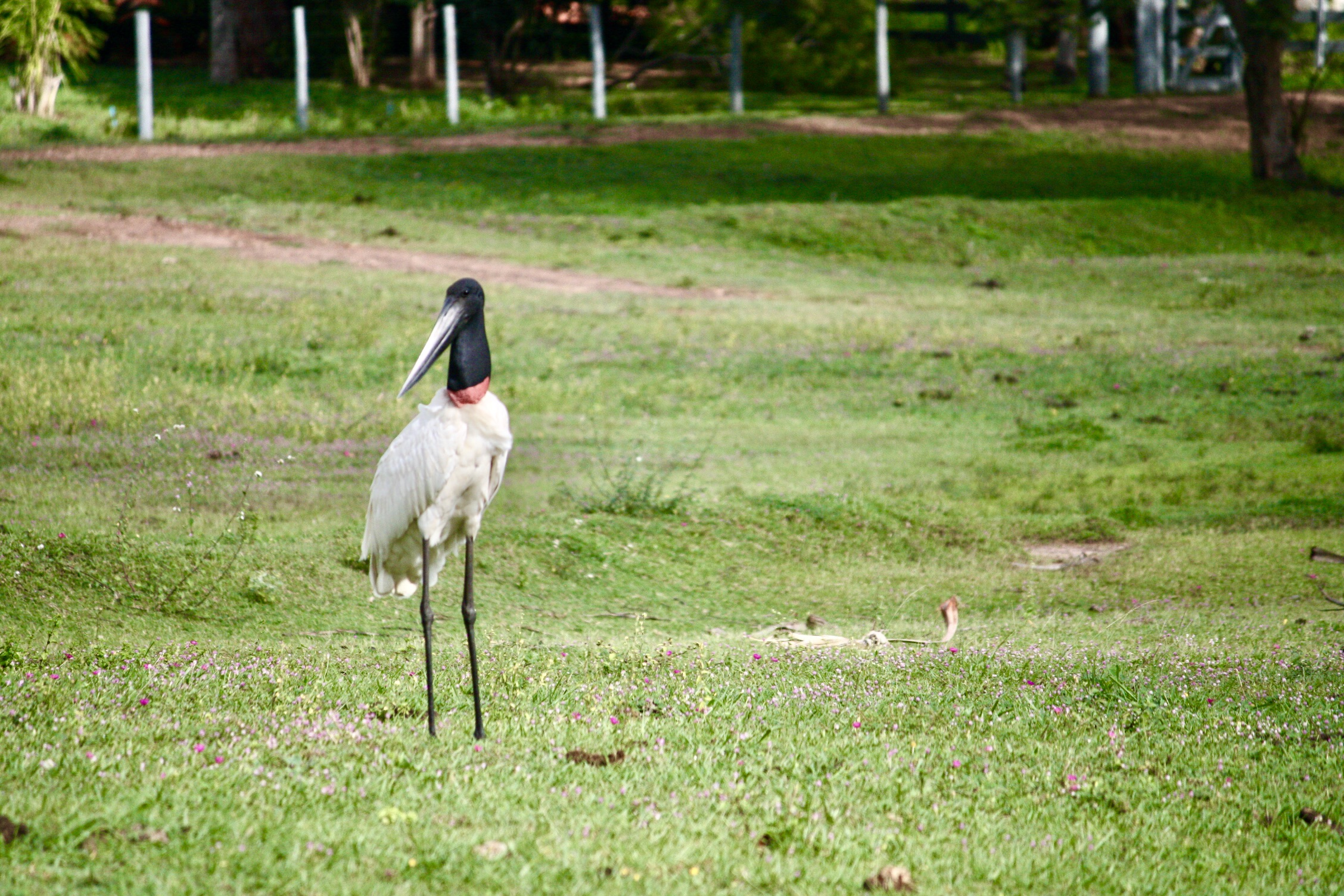
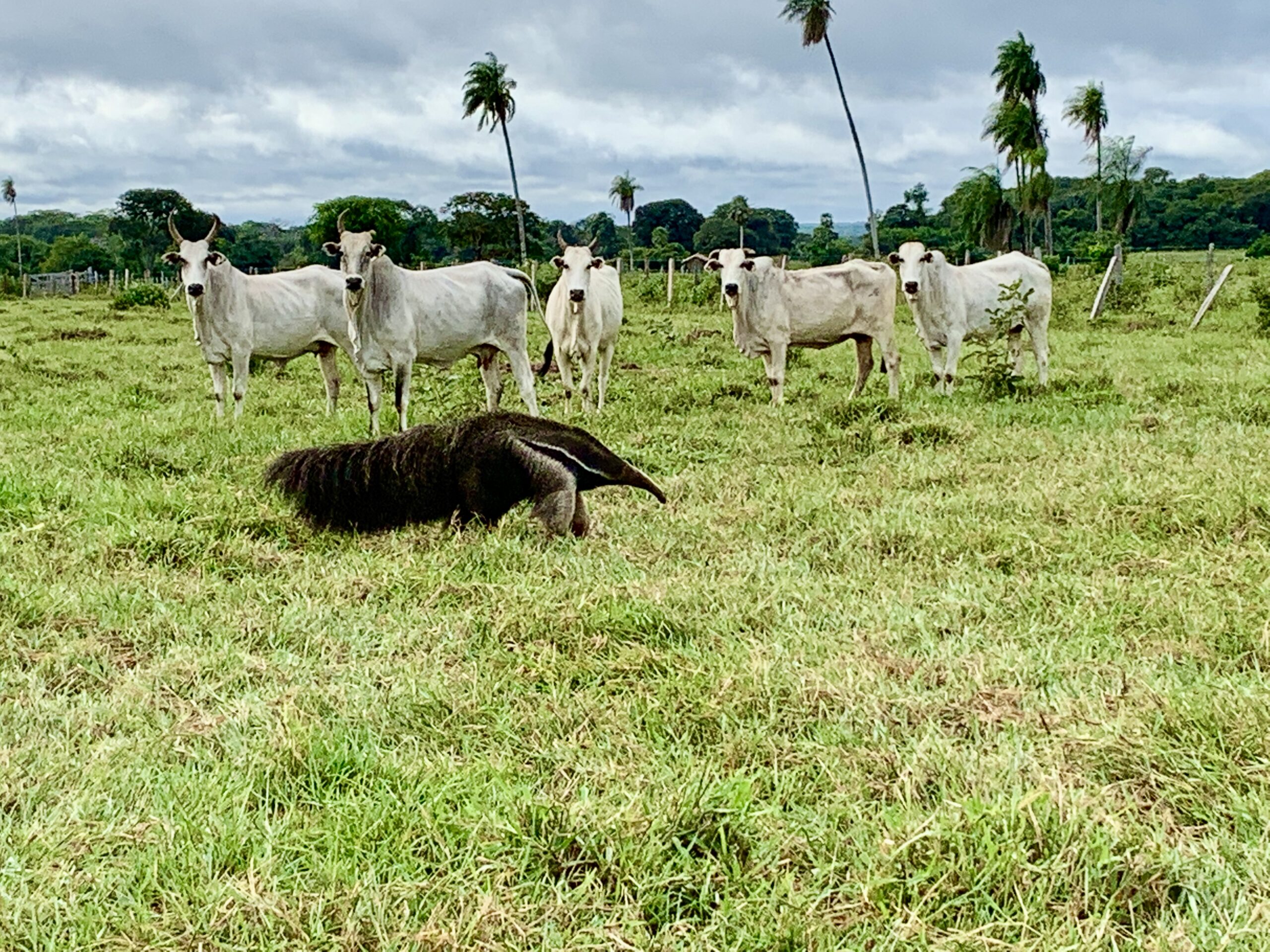
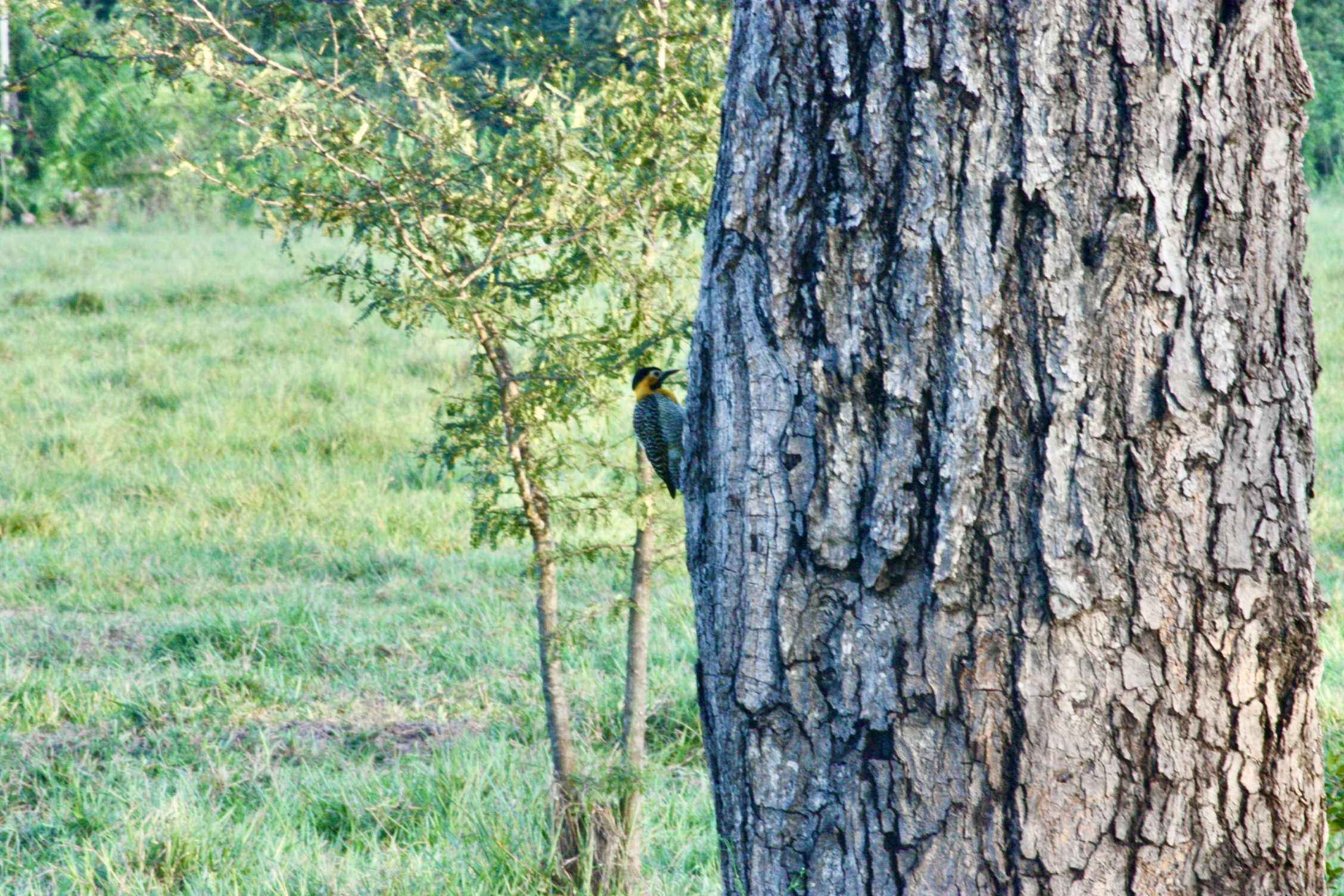

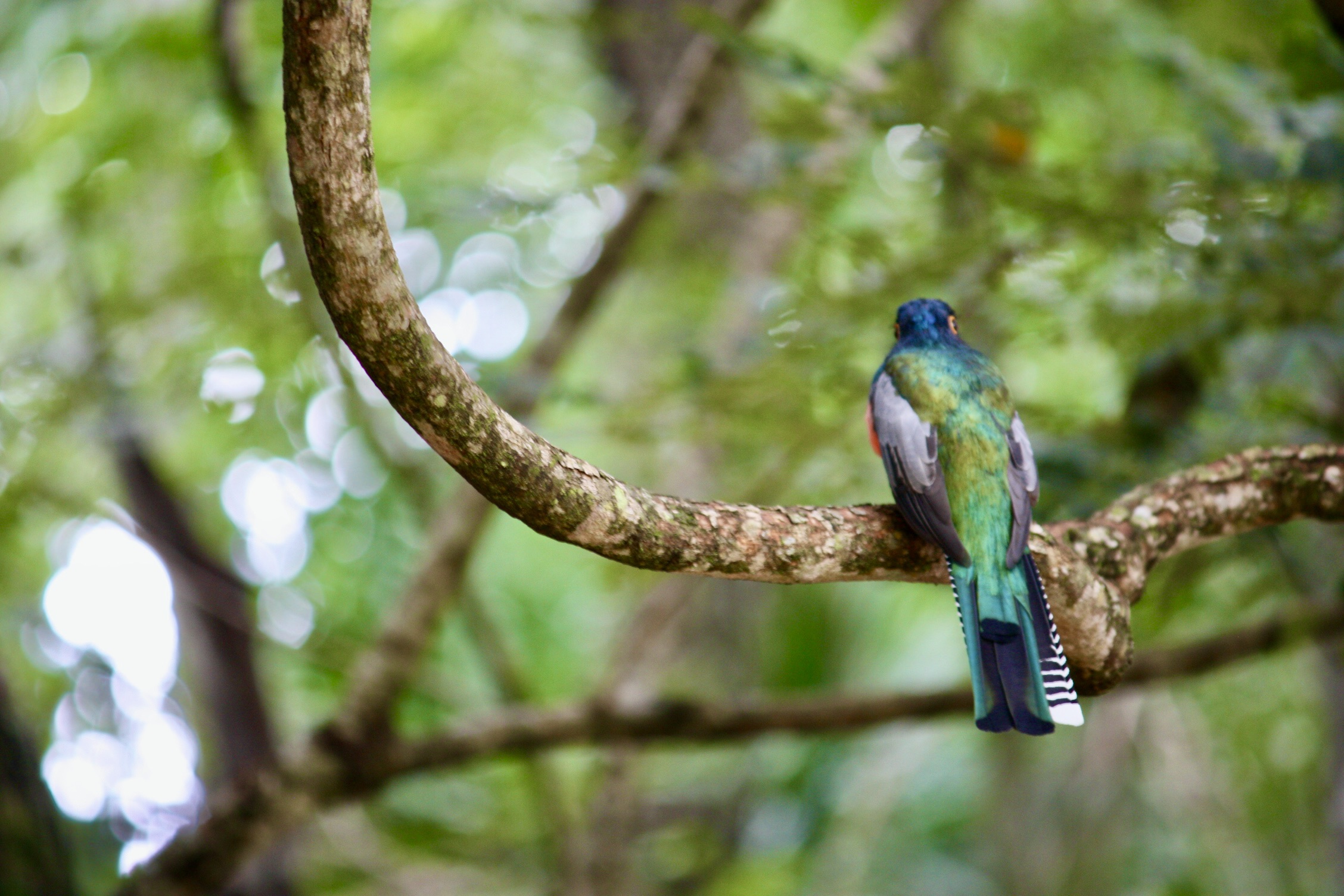



We really enjoyed our safari in the Pantanal. The scenery is beautiful and its open landscape makes wildlife viewing relatively easy and exciting. The only key mammal we didn’t see was the Tapir. Highly recommended! 10/10
This Post Has 0 Comments